
Filters
8 products
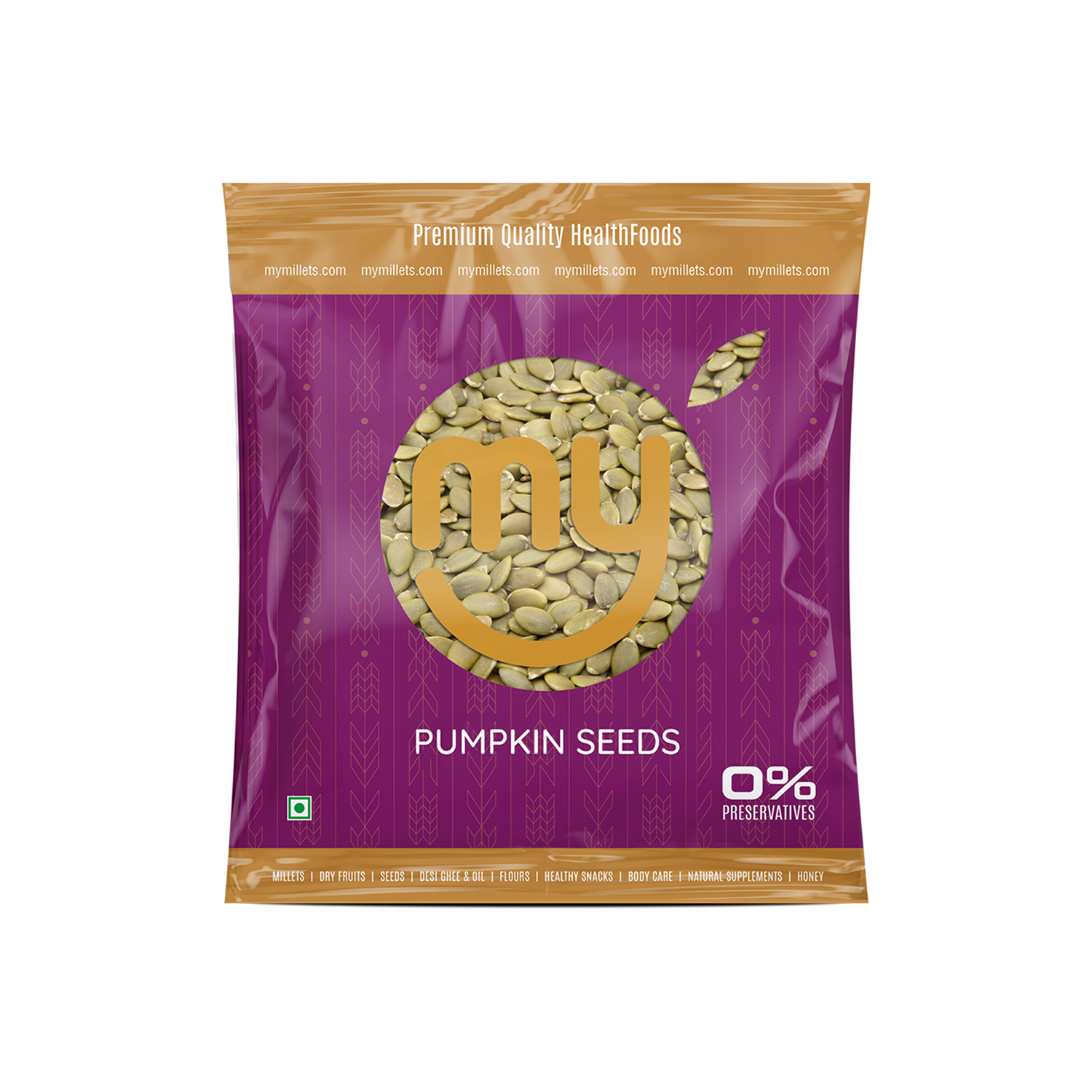
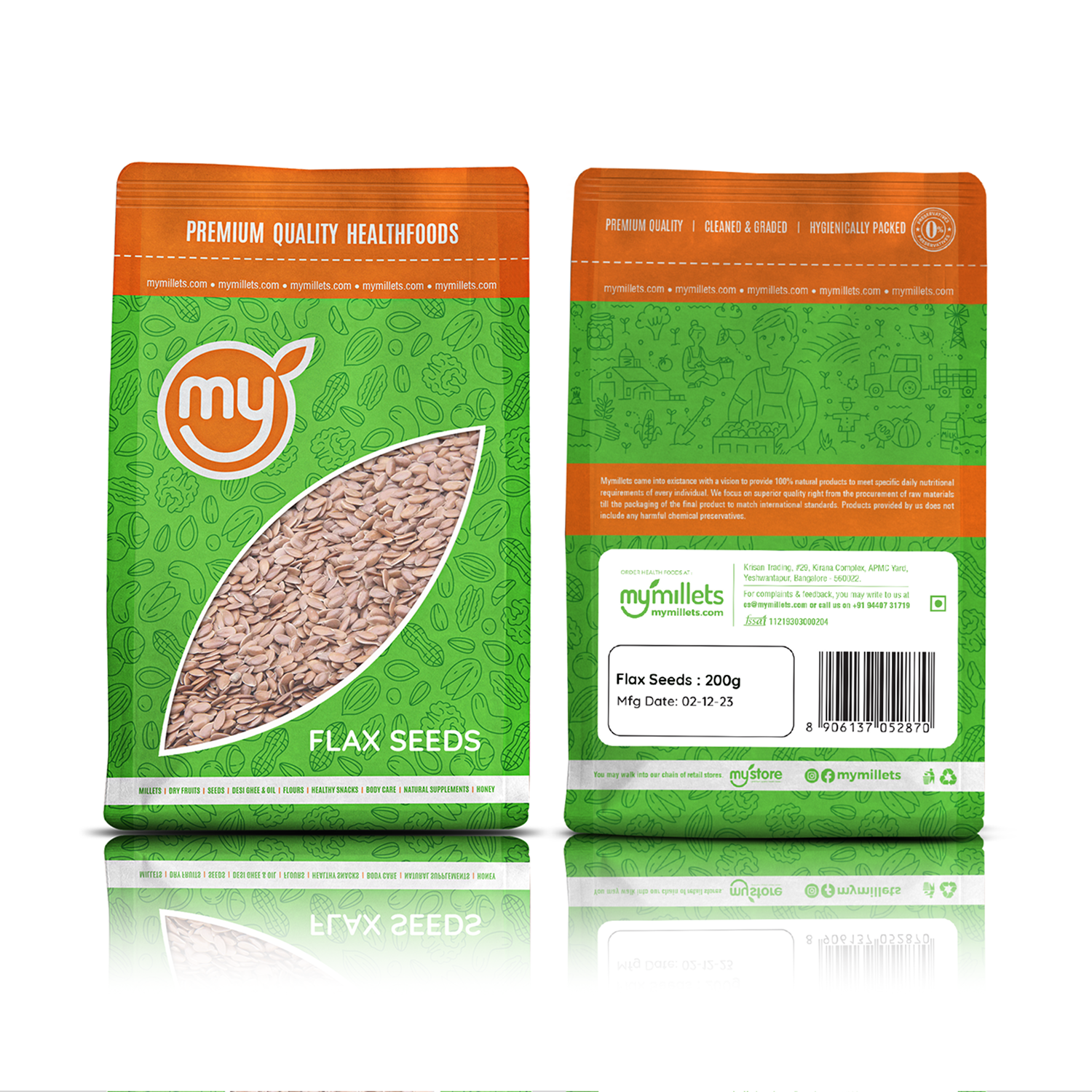
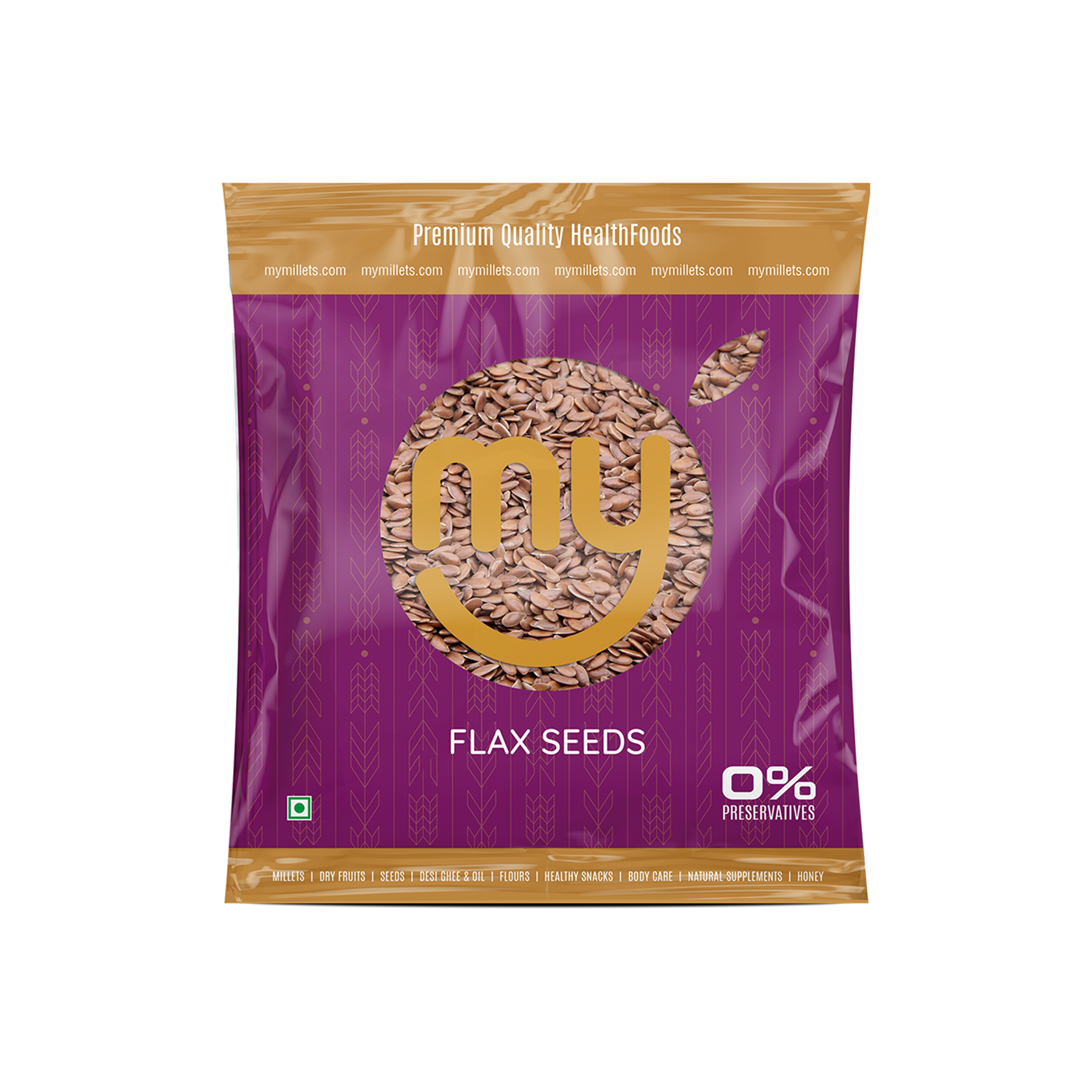
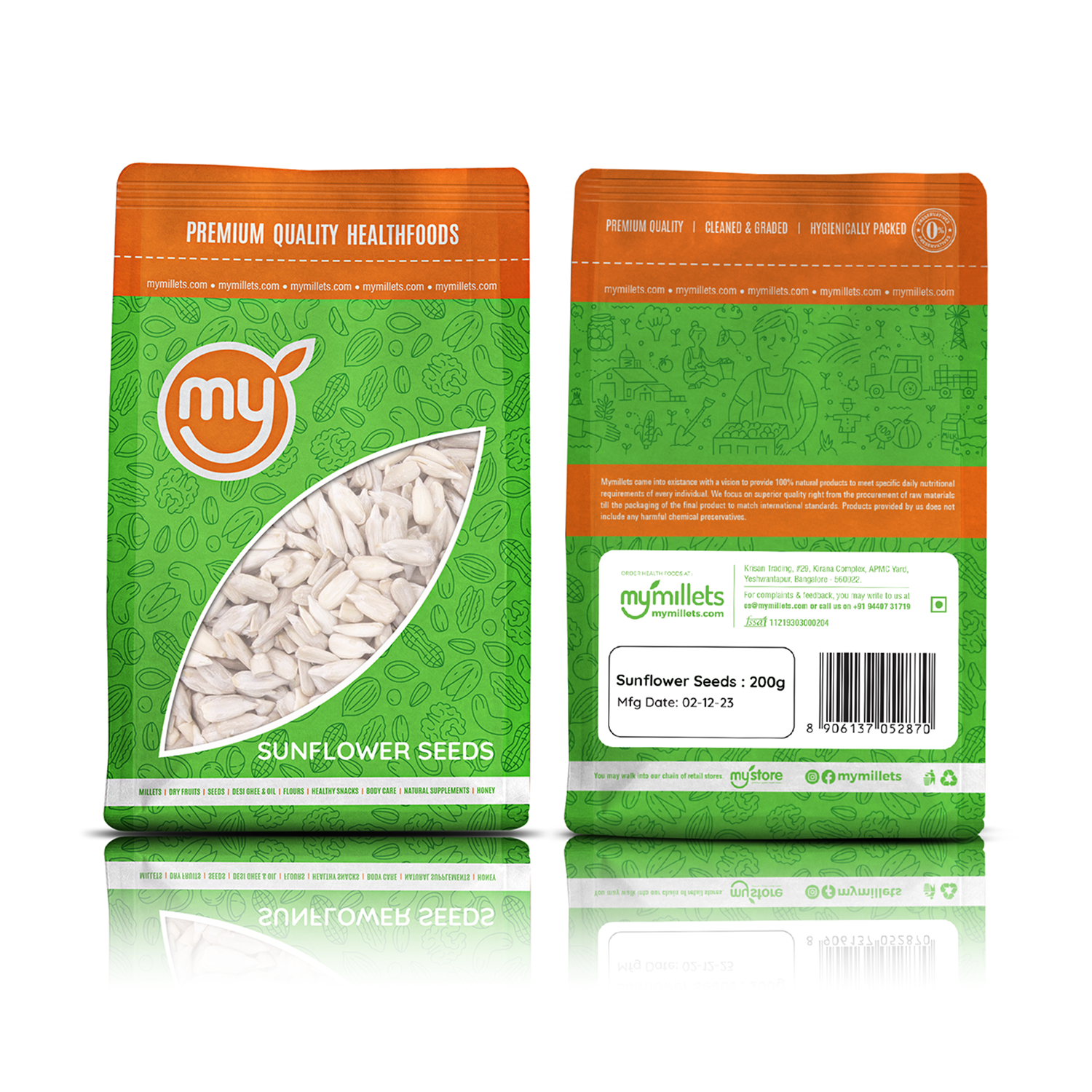
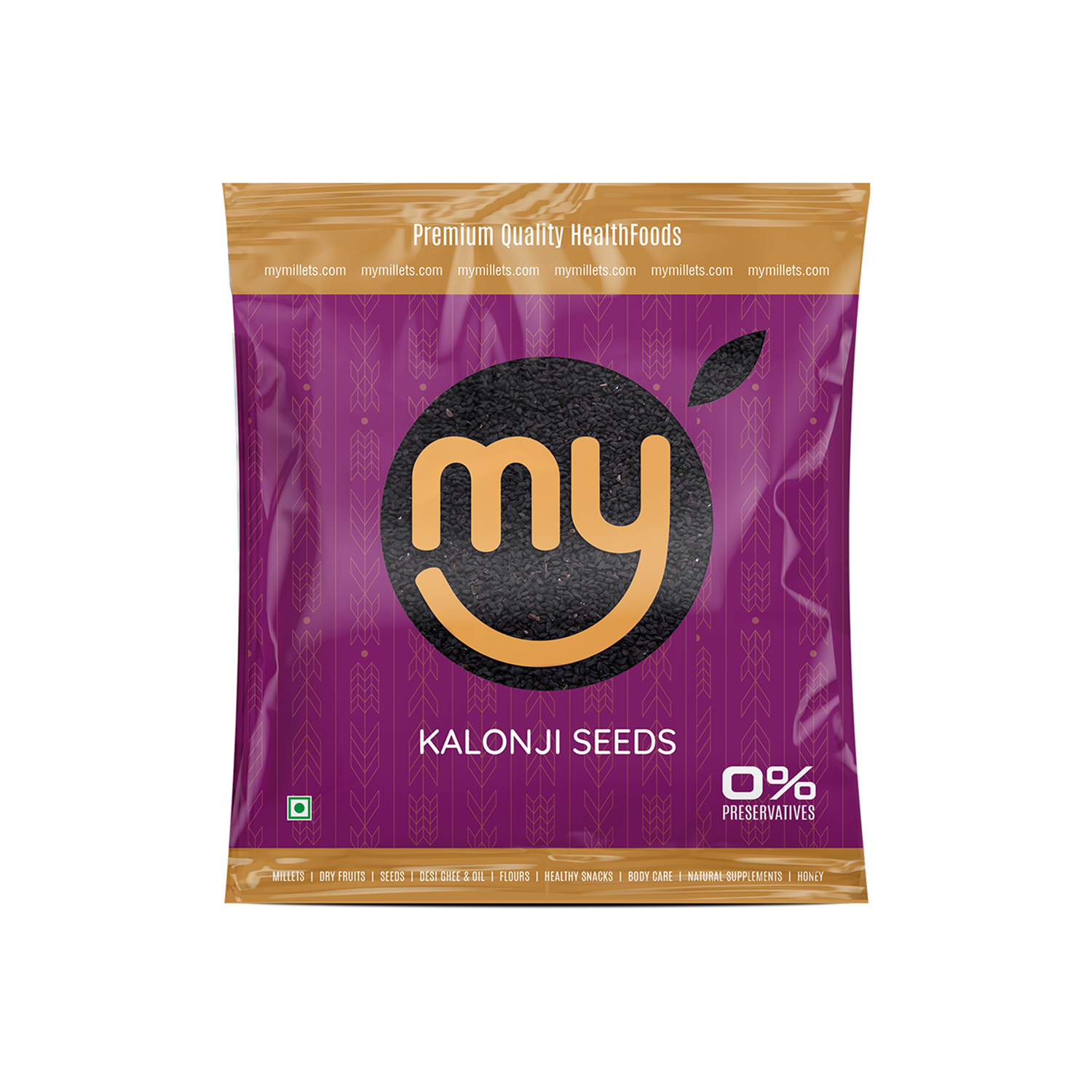
Super Seeds FAQs
-
1. What are edible seeds?
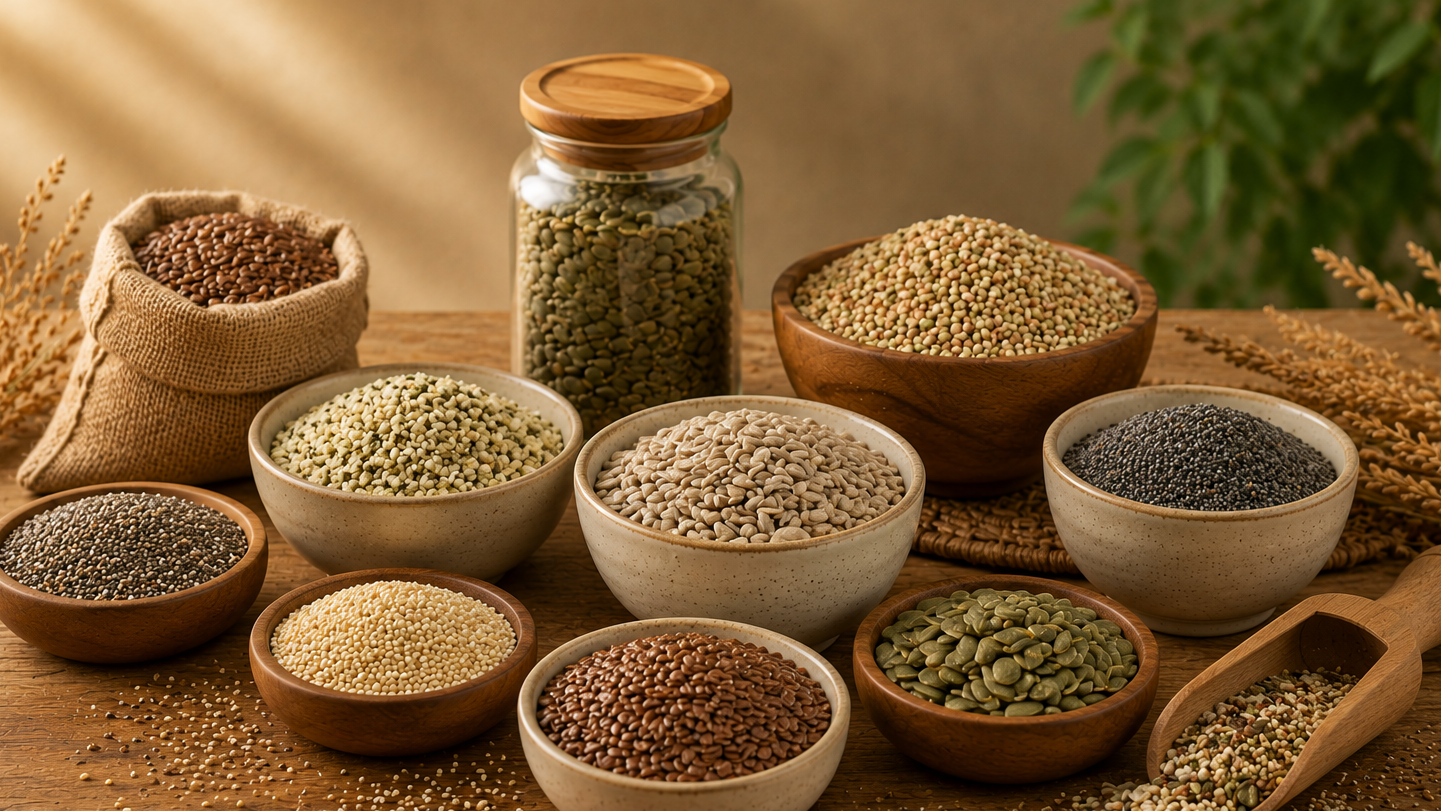
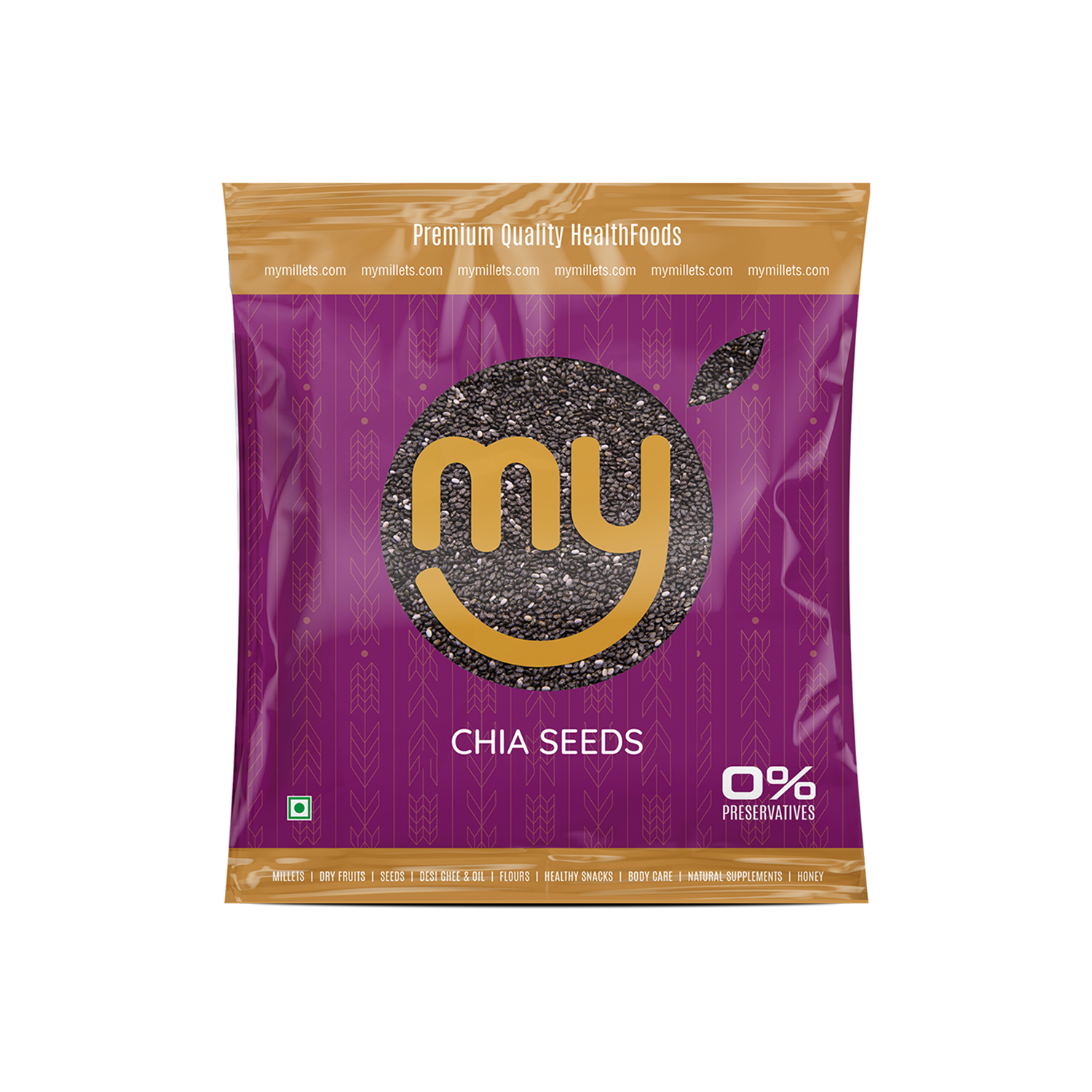
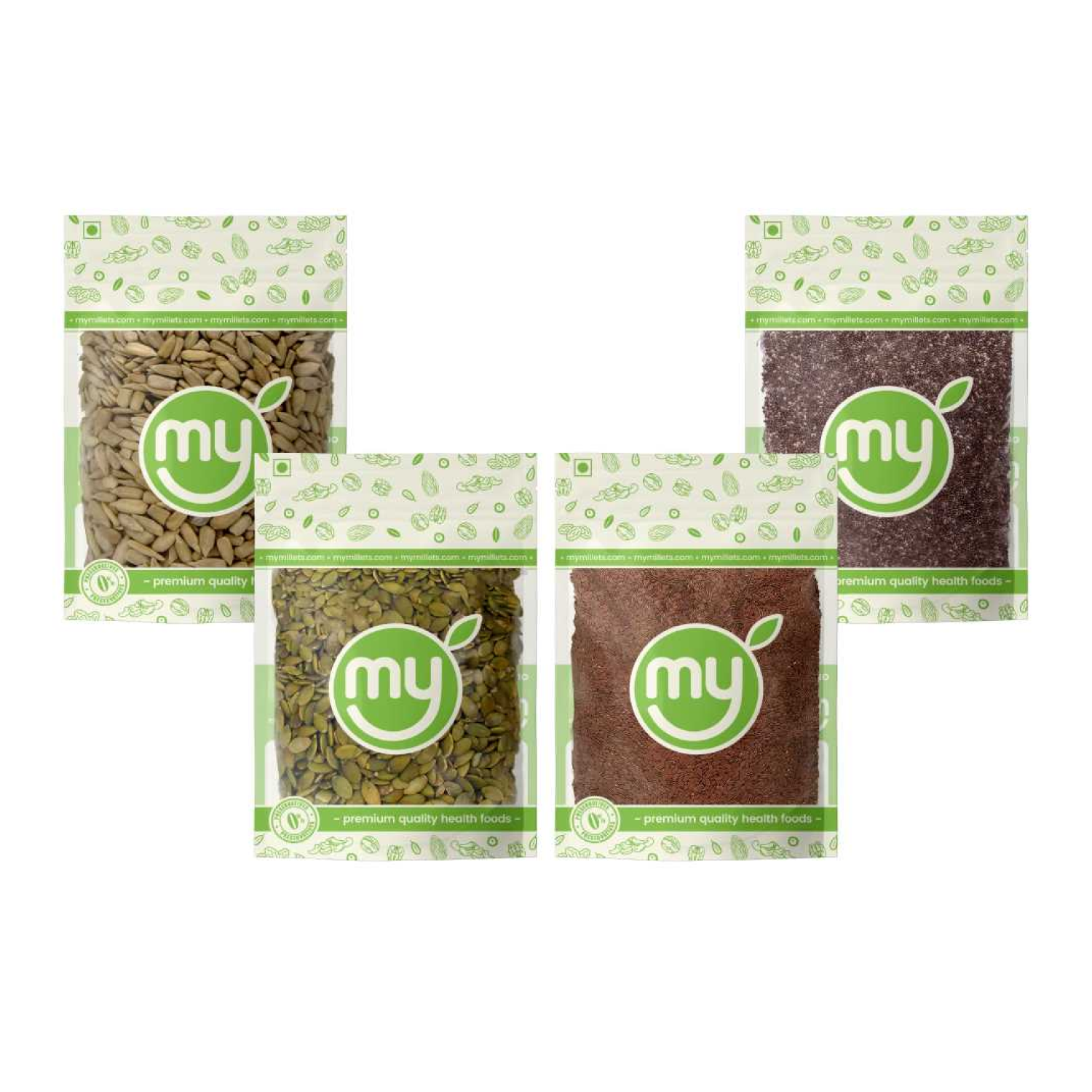
Edible seeds are nutrient-rich plant seeds that are commonly consumed as part of a balanced diet. Popular varieties include chia seeds, flax seeds, pumpkin seeds, sunflower seeds, watermelon seeds, sesame seeds, and mixed seed blends. They can be enjoyed on their own or added to a variety of everyday meals.
2. Why should I include seeds in my daily diet?
Seeds are naturally rich in dietary fibre, plant-based protein, healthy fats, vitamins, minerals, and antioxidants. Including a variety of seeds in your meals is a simple way to add texture, flavour, and nutritional diversity to your diet.
3. What types of seeds are available at mymillets?
Our collection may include:
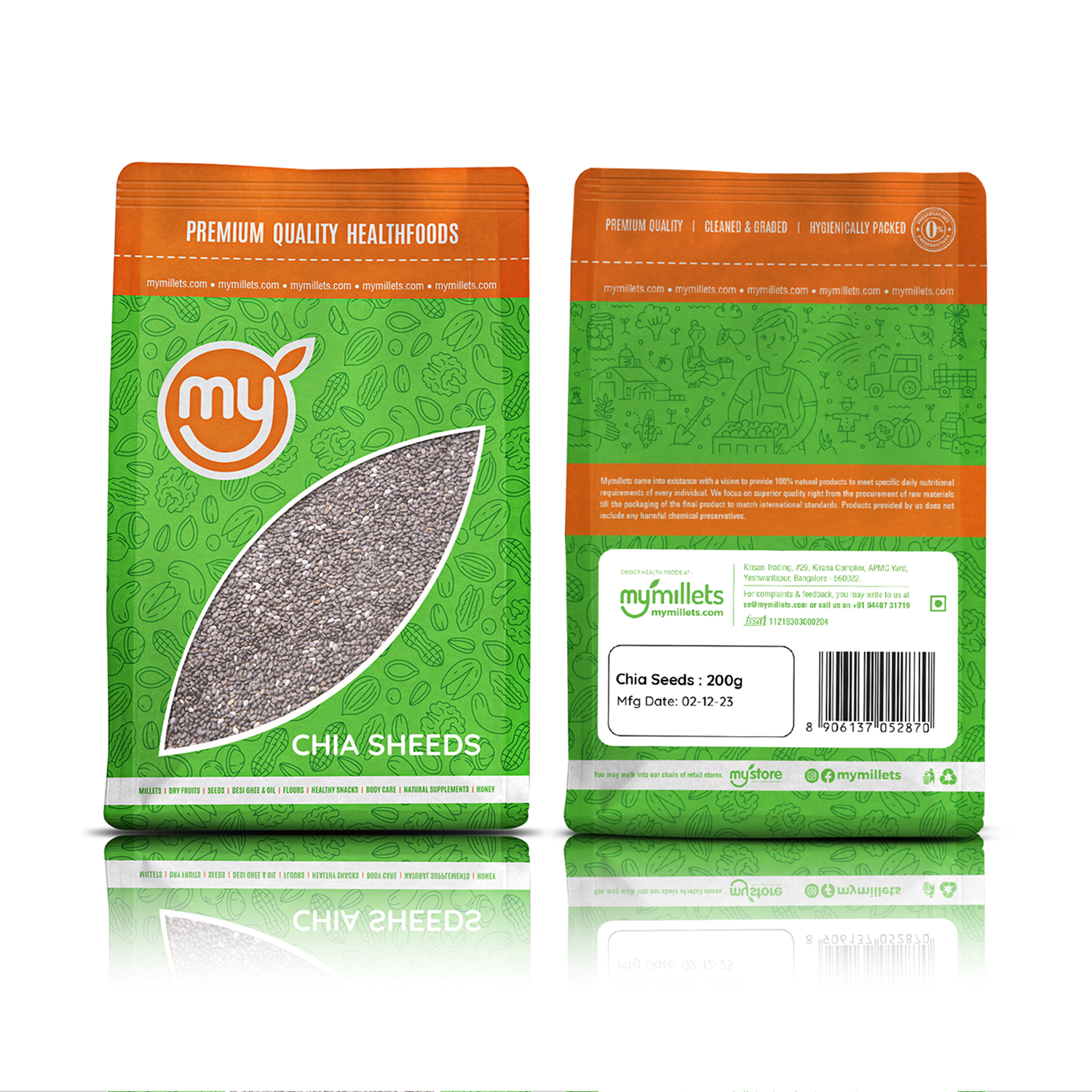
• Chia Seeds
• Flax Seeds
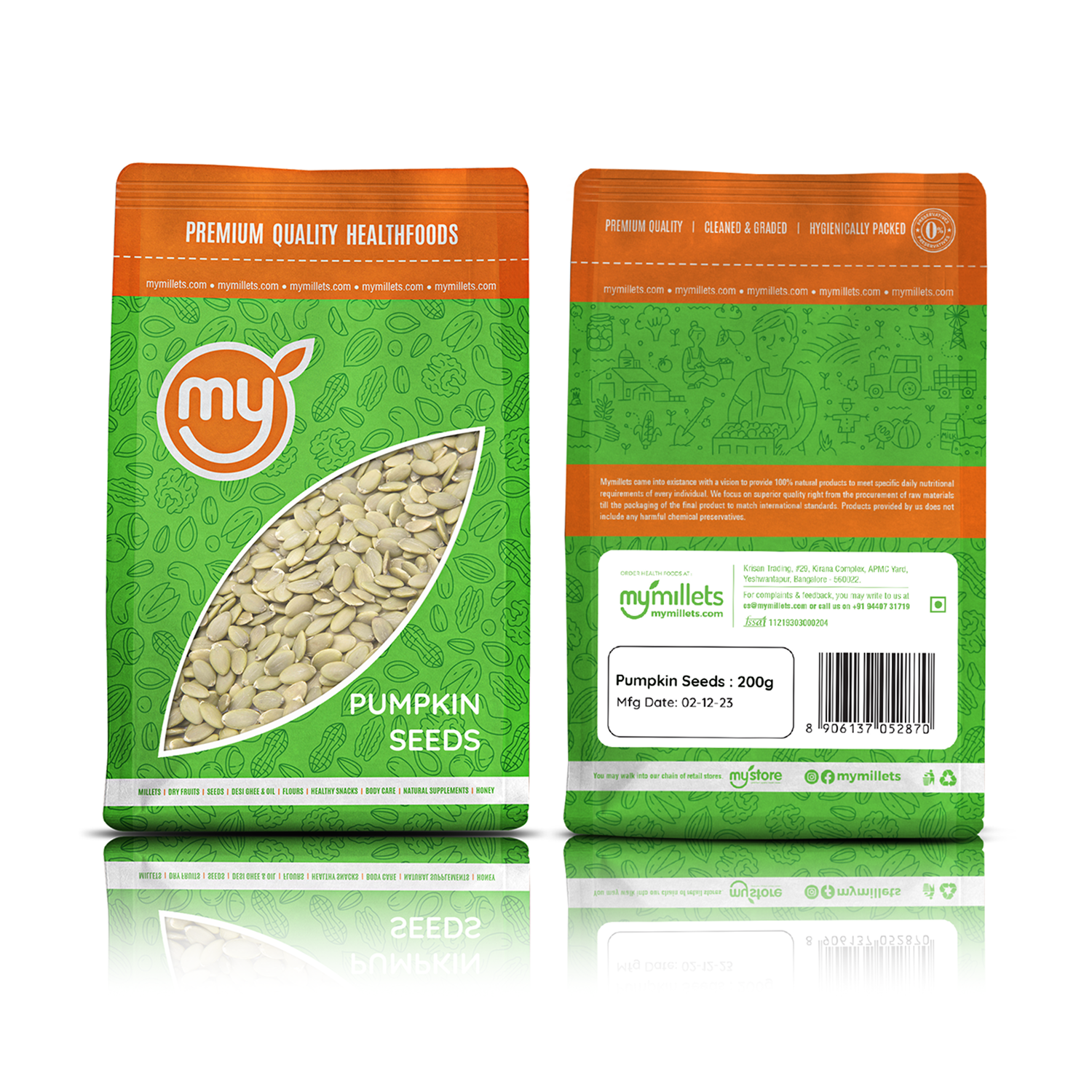
• Pumpkin Seeds
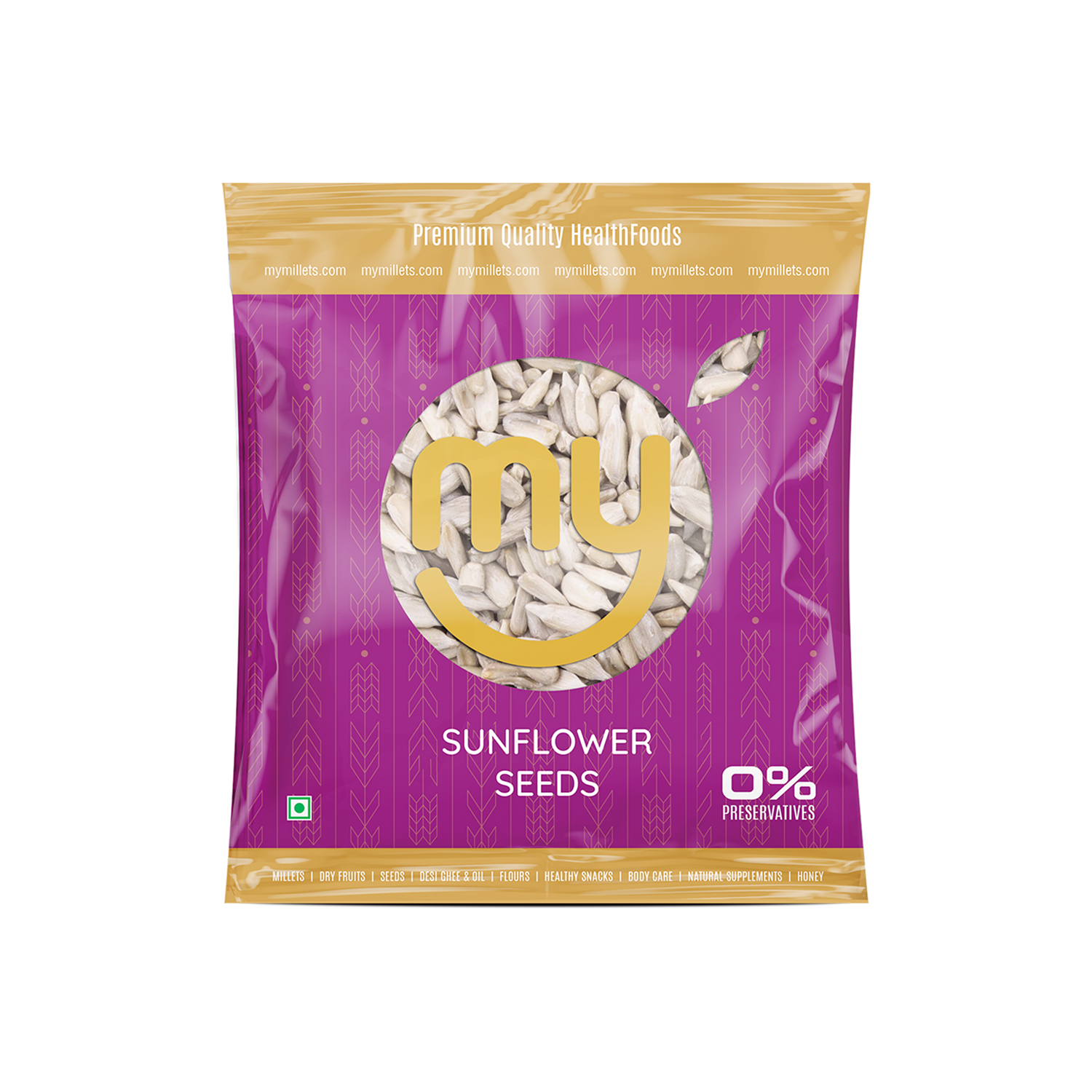
• Sunflower Seeds
• Watermelon Seeds
• Sesame Seeds
• Mixed Seed Blends
Each variety offers unique culinary uses and nutritional characteristics.
4. Which seeds are best for everyday consumption?
There is no single "best" seed. Rotating different varieties such as chia, flax, sunflower, and pumpkin seeds allows you to enjoy a broader range of nutrients and flavours as part of a balanced diet.
5. Can seeds be eaten raw?
Many edible seeds can be consumed raw, roasted, or lightly toasted depending on personal preference and the specific seed variety. Always follow the preparation instructions provided on the product packaging.
6. Should seeds be soaked before eating?
Some seeds, such as chia seeds, are commonly soaked before consumption as they absorb water and develop a gel-like texture. Other seeds like sunflower and pumpkin seeds can typically be eaten without soaking. Preparation methods vary depending on the seed type and intended recipe.
7. How can I use seeds in everyday meals?
Seeds are incredibly versatile and can be added to:
• Smoothies
• Yogurt
• Oatmeal
• Breakfast bowls
• Salads
• Soups
• Sandwiches
• Rotis
• Homemade granola
• Energy bars
• Baking recipes
• Trail mixes
They provide a convenient way to enhance the texture and variety of everyday meals.
8. What is the difference between chia seeds and flax seeds?
Both chia and flax seeds are popular pantry staples, but they differ in texture, flavour, and culinary use. Chia seeds absorb water quickly and develop a gel-like consistency, making them ideal for puddings and beverages. Flax seeds have a mild nutty flavour and are often consumed ground or added to baked goods and smoothies.
9. Are mixed seed blends better than individual seeds?
Mixed seed blends offer the convenience of enjoying multiple seed varieties in a single serving. They provide diverse flavours, textures, and nutritional profiles, making them an excellent option for everyday use.
10. How should edible seeds be stored?
Store seeds in an airtight container in a cool, dry place away from direct sunlight and moisture. Refrigeration may help preserve freshness, particularly after opening the package or in warmer climates.
11. Can seeds be used in baking?
Yes. Seeds are commonly used in breads, cookies, muffins, crackers, granola, energy bars, and other baked goods. They also work well as toppings for homemade breads and savoury snacks.
12. Are seeds suitable for vegetarian and vegan diets?
Yes. Seeds are naturally plant-based and are suitable for vegetarian and vegan lifestyles. They can easily be incorporated into a wide range of recipes, from breakfast to dinner.
13. Why choose mymillets Seeds?
At mymillets, we carefully source premium-quality edible seeds to ensure freshness, quality, and versatility. Our products are suitable for everyday cooking, baking, snacking, and meal preparation, making it easy to incorporate wholesome ingredients into your routine.
14. How much seed should I consume daily?
Serving sizes may vary depending on the type of seed and individual dietary preferences. It is generally advisable to consume seeds as part of a balanced and varied diet. You may refer to the recommended serving guidance on the product packaging or consult a qualified nutrition professional for personalized advice.
15. Which recipes can I prepare using seeds?
Seeds can be used in numerous recipes, including:
• Smoothie bowls
• Overnight oats
• Yogurt parfaits
• Salads
• Homemade granola
• Protein balls
• Energy bars
• Multigrain breads
• Cookies
• Muffins
• Healthy trail mixes
• Seed crackers
Their versatility makes them suitable for breakfast, snacks, baking, and everyday cooking.
1. What are edible seeds?
Edible seeds are nutrient-rich plant seeds that are commonly consumed as part of a balanced diet. Popular varieties include chia seeds, flax seeds, pumpkin seeds, sunflower seeds, watermelon seeds, sesame seeds, and mixed seed blends. They can be enjoyed on their own or added to a variety of everyday meals.
2. Why should I include seeds in my daily diet?
Seeds are naturally rich in dietary fibre, plant-based protein, healthy fats, vitamins, minerals, and antioxidants. Including a variety of seeds in your meals is a simple way to add texture, flavour, and nutritional diversity to your diet.
3. What types of seeds are available at mymillets?
Our collection may include:
• Chia Seeds
• Flax Seeds
• Pumpkin Seeds
• Sunflower Seeds
• Watermelon Seeds
• Sesame Seeds
• Mixed Seed Blends
Each variety offers unique culinary uses and nutritional characteristics.
4. Which seeds are best for everyday consumption?
There is no single "best" seed. Rotating different varieties such as chia, flax, sunflower, and pumpkin seeds allows you to enjoy a broader range of nutrients and flavours as part of a balanced diet.
5. Can seeds be eaten raw?
Many edible seeds can be consumed raw, roasted, or lightly toasted depending on personal preference and the specific seed variety. Always follow the preparation instructions provided on the product packaging.
6. Should seeds be soaked before eating?
Some seeds, such as chia seeds, are commonly soaked before consumption as they absorb water and develop a gel-like texture. Other seeds like sunflower and pumpkin seeds can typically be eaten without soaking. Preparation methods vary depending on the seed type and intended recipe.
7. How can I use seeds in everyday meals?
Seeds are incredibly versatile and can be added to:
• Smoothies
• Yogurt
• Oatmeal
• Breakfast bowls
• Salads
• Soups
• Sandwiches
• Rotis
• Homemade granola
• Energy bars
• Baking recipes
• Trail mixes
They provide a convenient way to enhance the texture and variety of everyday meals.
8. What is the difference between chia seeds and flax seeds?
Both chia and flax seeds are popular pantry staples, but they differ in texture, flavour, and culinary use. Chia seeds absorb water quickly and develop a gel-like consistency, making them ideal for puddings and beverages. Flax seeds have a mild nutty flavour and are often consumed ground or added to baked goods and smoothies.
9. Are mixed seed blends better than individual seeds?
Mixed seed blends offer the convenience of enjoying multiple seed varieties in a single serving. They provide diverse flavours, textures, and nutritional profiles, making them an excellent option for everyday use.
10. How should edible seeds be stored?
Store seeds in an airtight container in a cool, dry place away from direct sunlight and moisture. Refrigeration may help preserve freshness, particularly after opening the package or in warmer climates.
11. Can seeds be used in baking?
Yes. Seeds are commonly used in breads, cookies, muffins, crackers, granola, energy bars, and other baked goods. They also work well as toppings for homemade breads and savoury snacks.
12. Are seeds suitable for vegetarian and vegan diets?
Yes. Seeds are naturally plant-based and are suitable for vegetarian and vegan lifestyles. They can easily be incorporated into a wide range of recipes, from breakfast to dinner.
13. Why choose mymillets Seeds?
At mymillets, we carefully source premium-quality edible seeds to ensure freshness, quality, and versatility. Our products are suitable for everyday cooking, baking, snacking, and meal preparation, making it easy to incorporate wholesome ingredients into your routine.
14. How much seed should I consume daily?
Serving sizes may vary depending on the type of seed and individual dietary preferences. It is generally advisable to consume seeds as part of a balanced and varied diet. You may refer to the recommended serving guidance on the product packaging or consult a qualified nutrition professional for personalized advice.
15. Which recipes can I prepare using seeds?
Seeds can be used in numerous recipes, including:
• Smoothie bowls
• Overnight oats
• Yogurt parfaits
• Salads
• Homemade granola
• Protein balls
• Energy bars
• Multigrain breads
• Cookies
• Muffins
• Healthy trail mixes
• Seed crackers
Their versatility makes them suitable for breakfast, snacks, baking, and everyday cooking.
