
Filters
4 products
Ravas FAQs
-
1. What is millet rava?
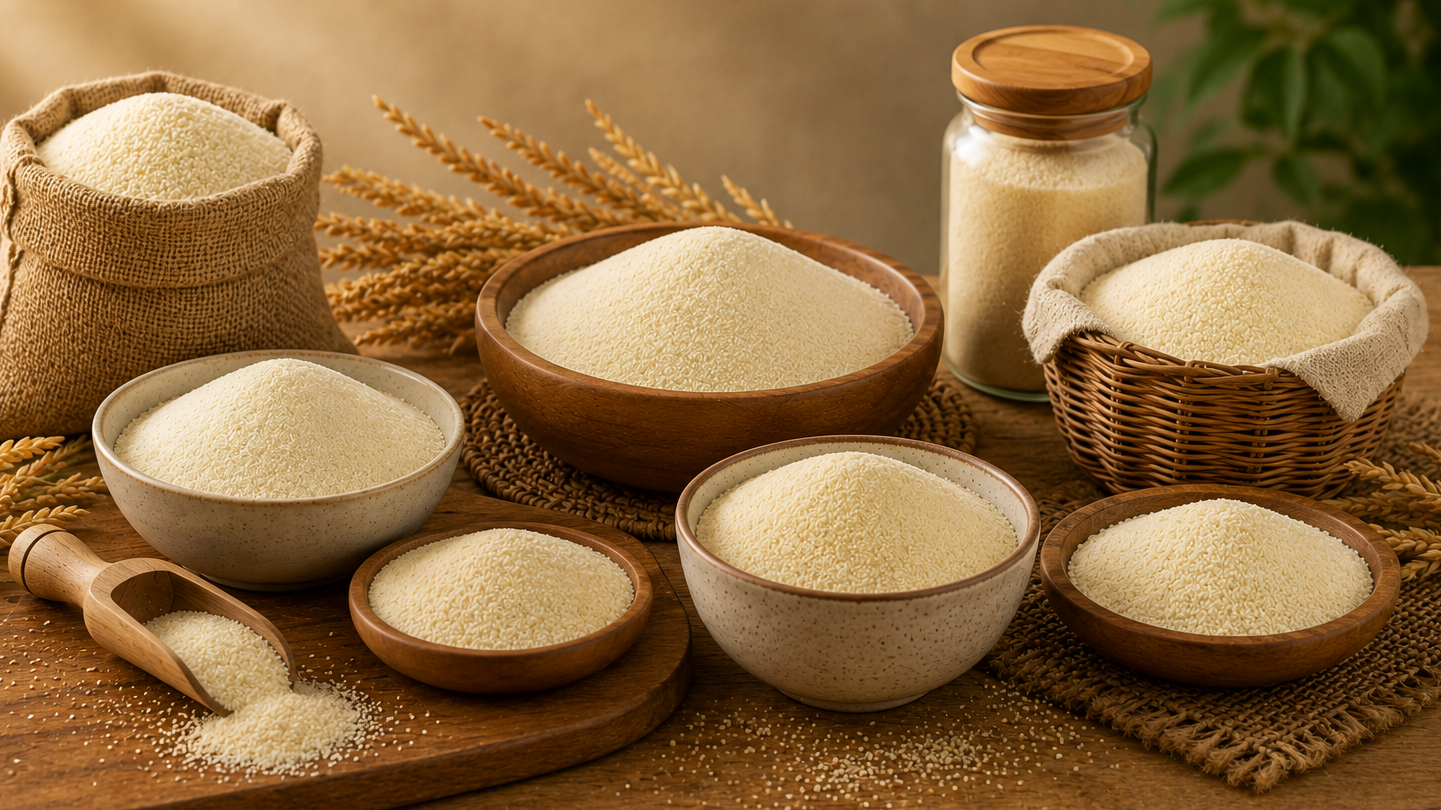
Millet rava is a coarse, granular form of whole millets that serves as a wholesome alternative to traditional semolina (suji/rava). It retains the natural goodness of millets while offering a texture that is ideal for preparing a variety of savoury and sweet dishes.
2. How is millet rava different from regular semolina (suji)?
Traditional semolina is made from wheat, whereas millet rava is prepared from different millet varieties such as Foxtail, Little, Kodo, Barnyard, or Pearl Millet. Millet rava offers a unique flavour profile and allows consumers to enjoy the nutritional benefits of whole millets in everyday recipes.
3. Which millet rava varieties are available?
Depending on the product range, millet rava may be available in varieties such as:
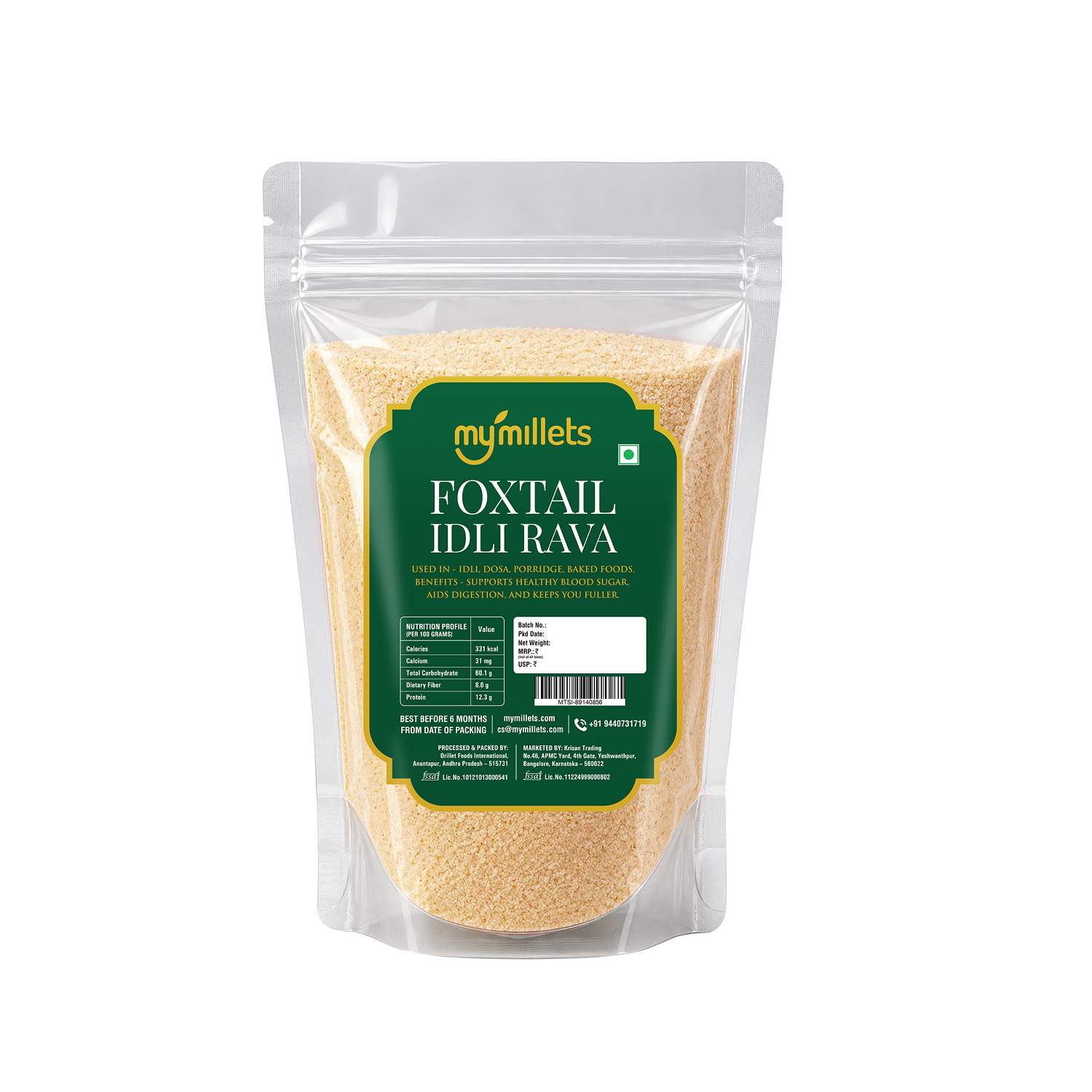
• Foxtail Millet Rava
• Little Millet Rava
• Barnyard Millet Rava
• Kodo Millet Rava
• Pearl Millet (Bajra) Rava
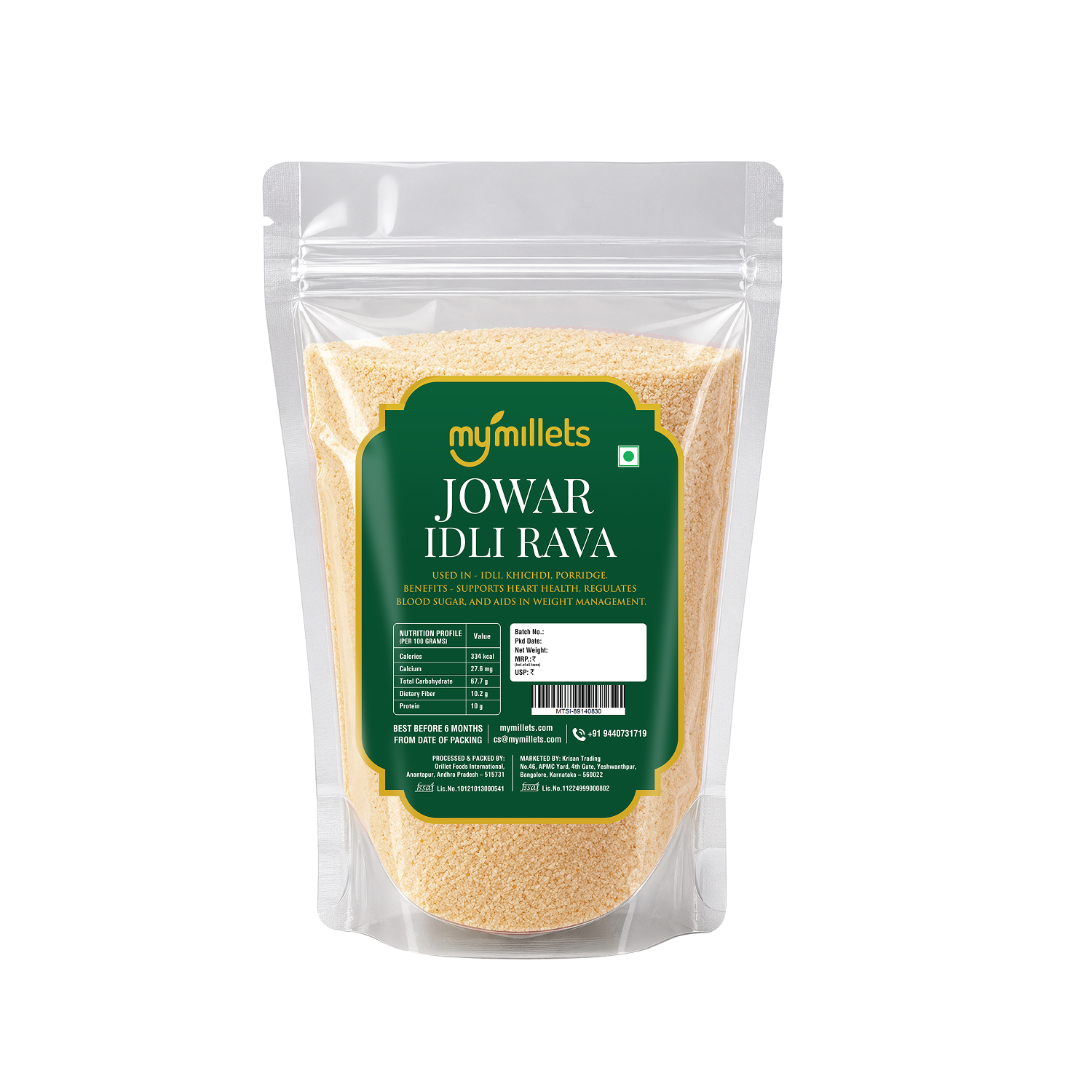
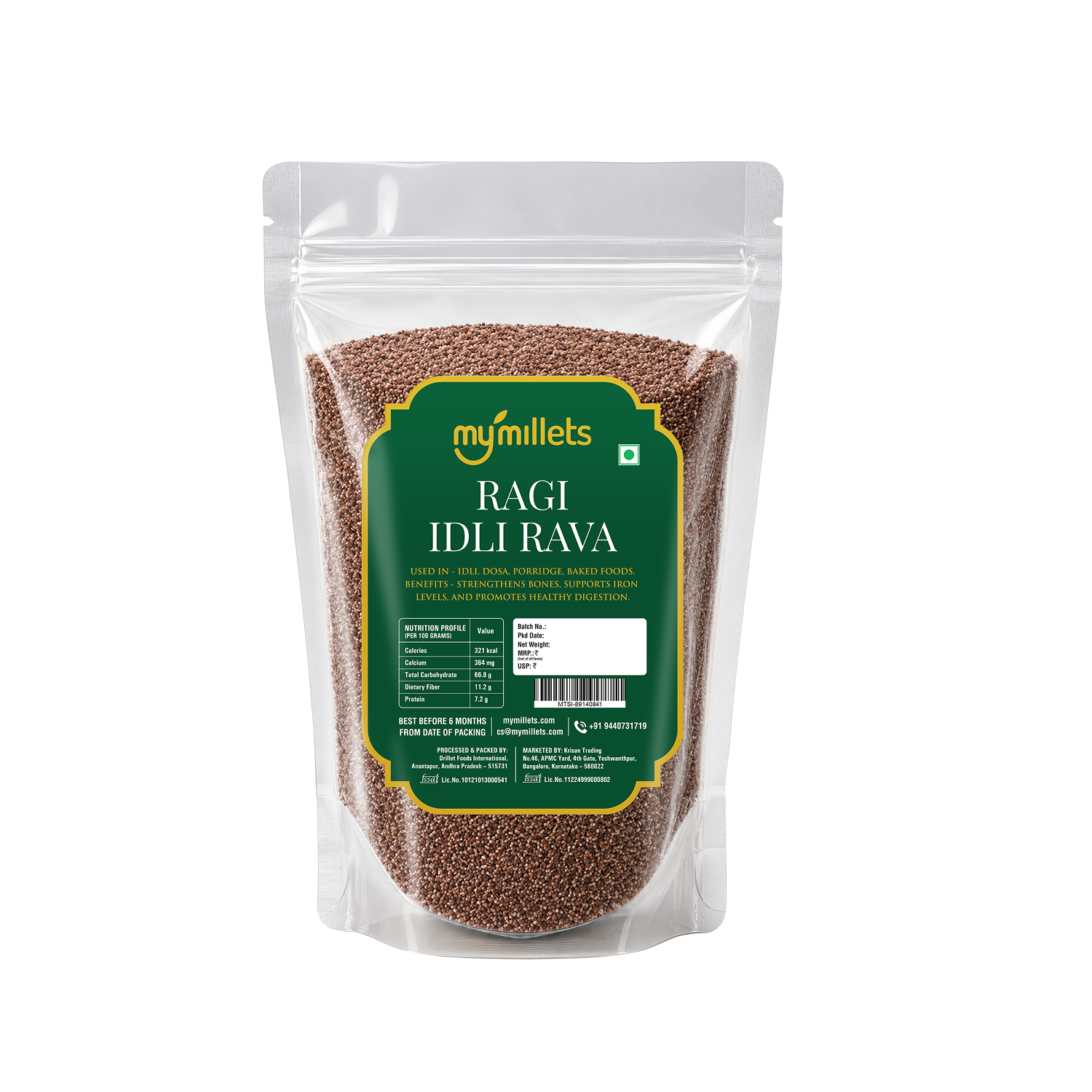
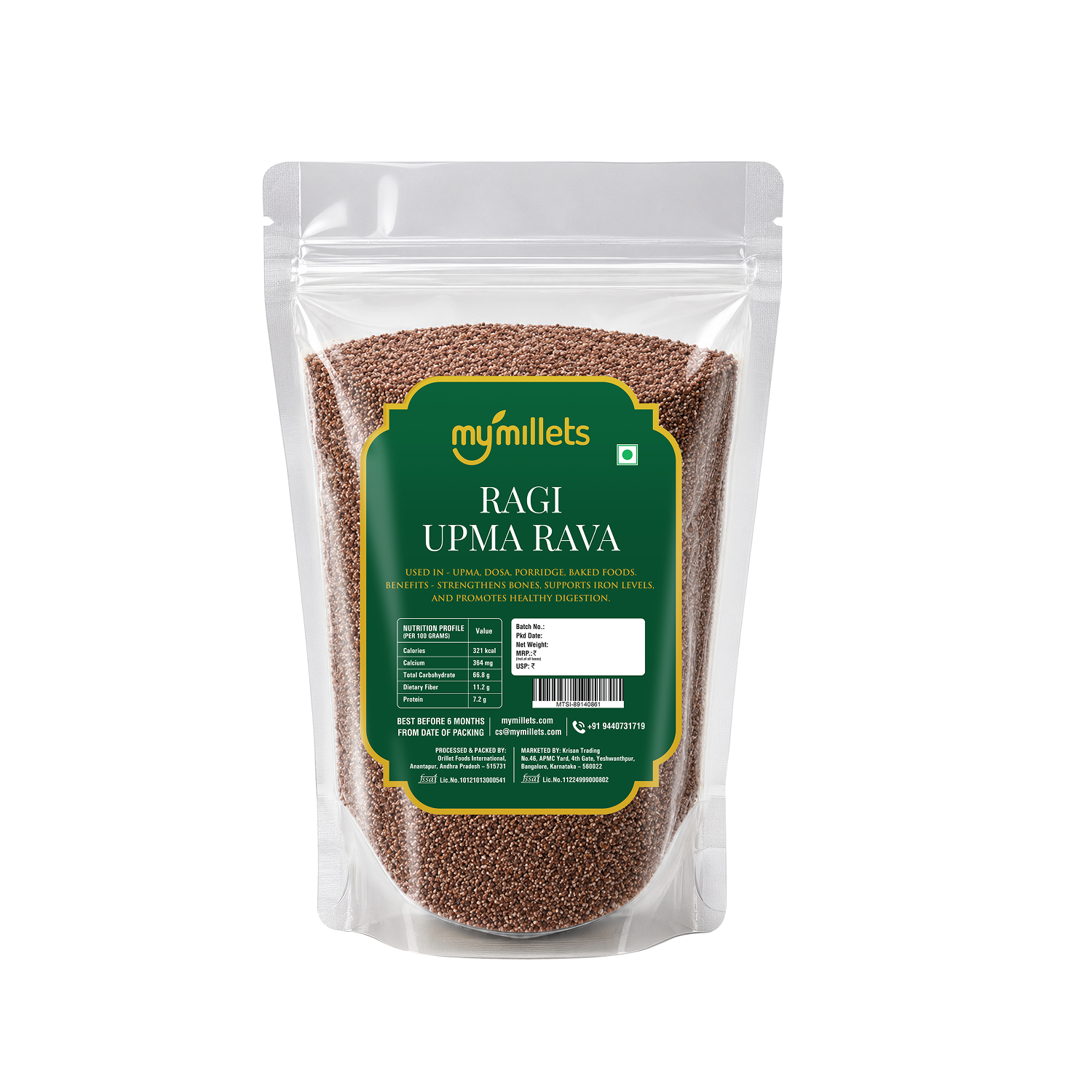
• Finger Millet (Ragi) Rava
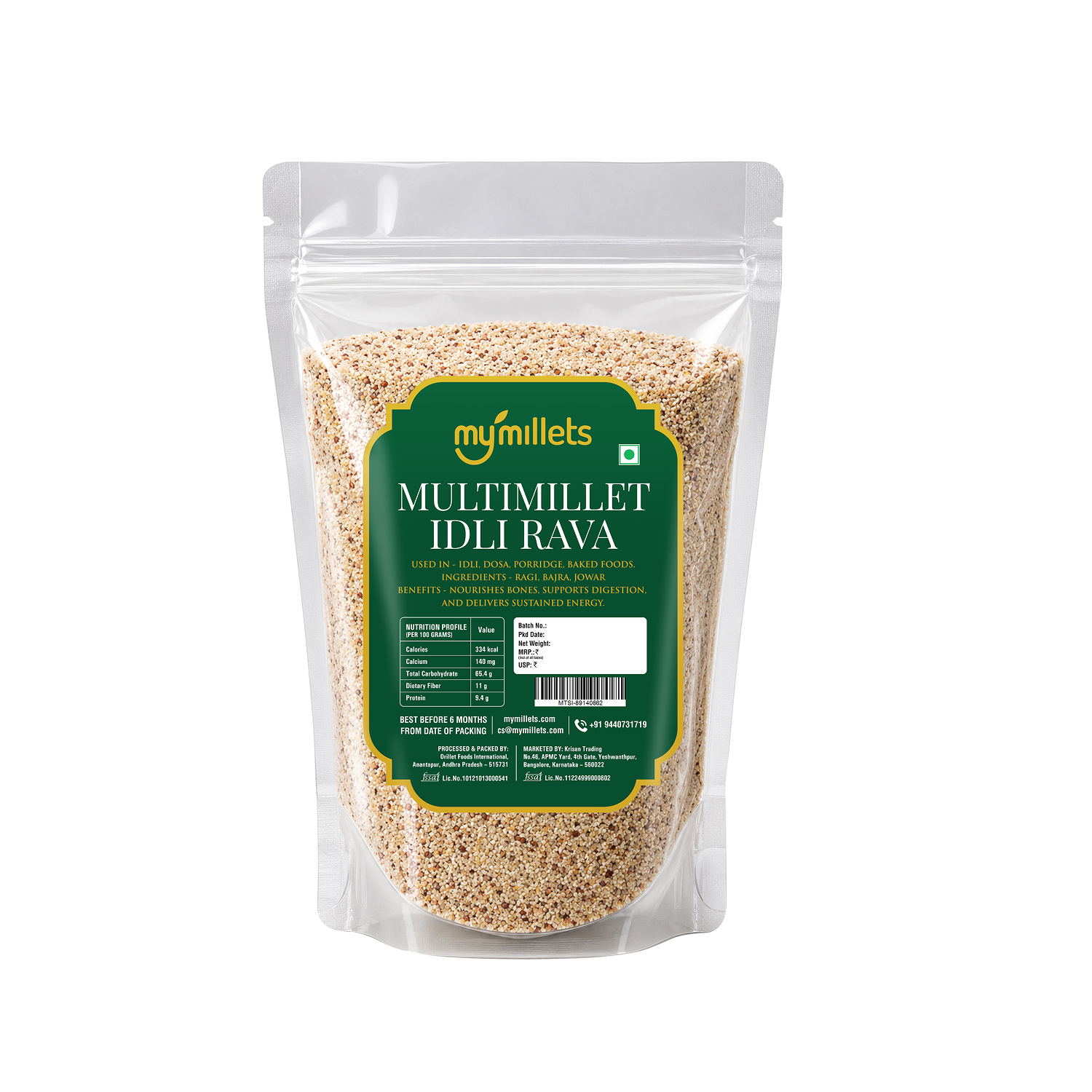
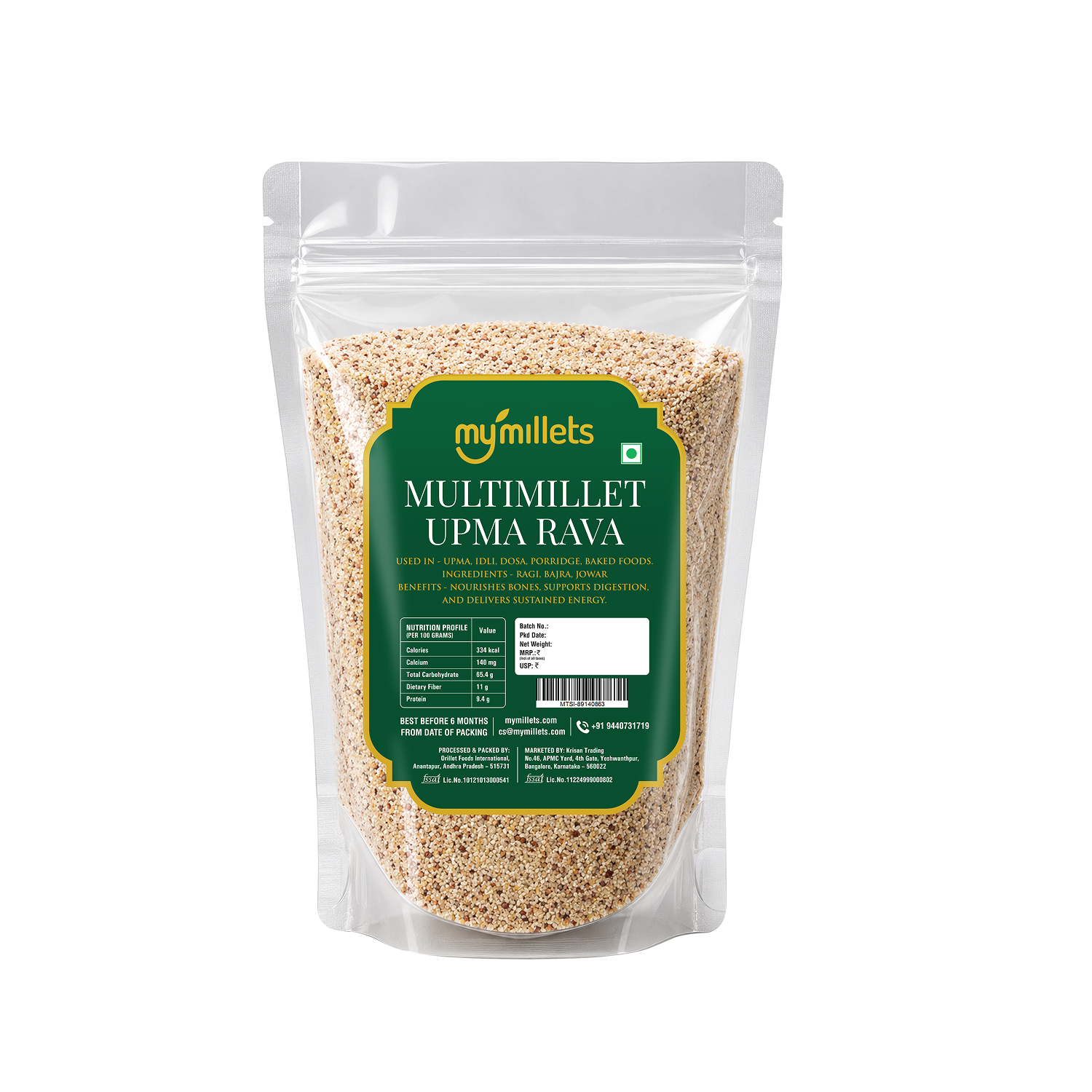
• Multi Millet Rava
Each variety offers a unique taste, texture, and culinary application.
4. What dishes can be prepared using millet rava?
Millet rava is highly versatile and can be used to prepare:
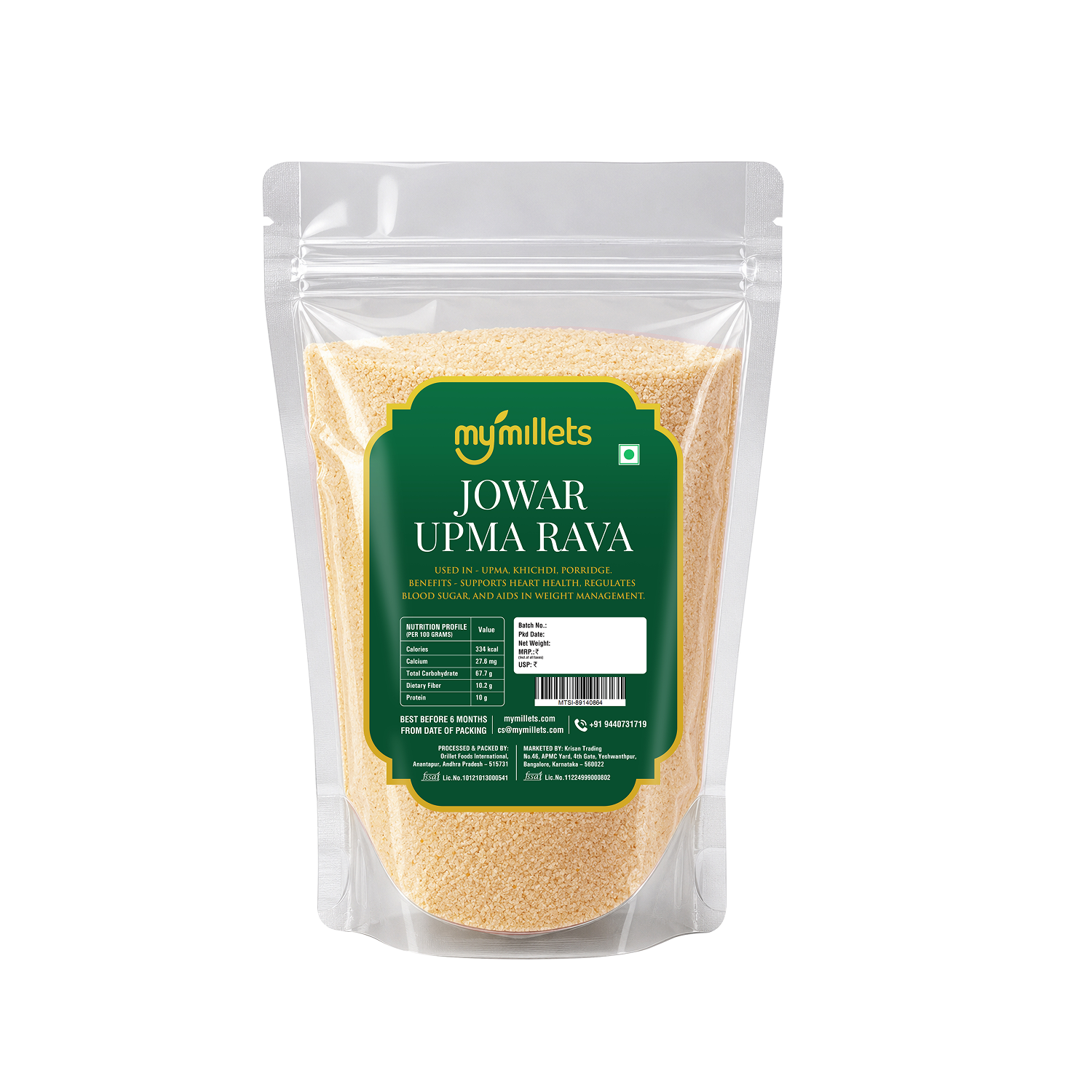
• Upma
• Khichdi
• Pongal
• Idli
• Dosa
• Porridge
• Kesari
• Vegetable pulao
• Cutlets
• Breakfast bowls
• Healthy snacks
It is suitable for both traditional and modern recipes.
5. Can millet rava replace regular rava in recipes?
Yes. Millet rava can be substituted for regular semolina in many recipes. Depending on the millet variety, slight adjustments in cooking time and water ratio may be required to achieve the desired consistency.
6. Is millet rava suitable for breakfast?
Absolutely. Millet rava is a convenient ingredient for preparing wholesome breakfast options such as upma, porridge, idli, dosa, and vegetable bowls that fit well into a balanced diet.
7. Should millet rava be roasted before cooking?
Some recipes benefit from lightly roasting millet rava before cooking to enhance its aroma and improve texture. However, preparation methods may vary depending on the specific recipe and millet variety.
8. Does millet rava cook faster than whole millets?
Yes. Since millet rava is coarsely broken rather than whole, it generally cooks faster than whole millet grains, making it an excellent choice for quick everyday meals.
9. Is millet rava naturally gluten-free?
Millet rava made entirely from millets is naturally gluten-free. However, individuals with celiac disease or severe gluten sensitivity should verify that the product has been processed in facilities that minimise cross-contamination.
10. How should millet rava be stored?
Store millet rava in an airtight container in a cool, dry place away from moisture, heat, and direct sunlight. Proper storage helps preserve freshness, flavour, and quality.
11. Can millet rava be used for traditional South Indian recipes?
Yes. Millet rava works well in many traditional recipes including:
• Upma
• Rava Idli
• Dosa
• Pongal
• Kesari
• Vegetable Rava Bath
It offers a wholesome alternative while maintaining familiar textures and flavours.
12. What makes millet rava different from millet flour?
Millet rava has a coarse, grain-like texture, whereas millet flour is finely ground. Rava is ideal for recipes that require texture, while flour is commonly used for rotis, baking, and batters.
13. Why choose MyMillets Millet Rava?
MyMillets Millet Rava is carefully processed to maintain the natural characteristics of whole millets while providing consistent texture and cooking performance. Our range is designed for consumers seeking nutritious alternatives for everyday meals.
14. How can millet rava be included in daily cooking?
Millet rava can easily become part of your daily meals by preparing:
• Morning breakfast upma
• Vegetable khichdi
• Healthy idlis
• Savoury dosas
• Sweet kesari
• Quick dinner bowls
• Lunch preparations with vegetables and legumes
Its versatility makes it suitable for every meal of the day.
15. Which millet rava should I choose?
The ideal choice depends on your taste preferences and intended recipes:
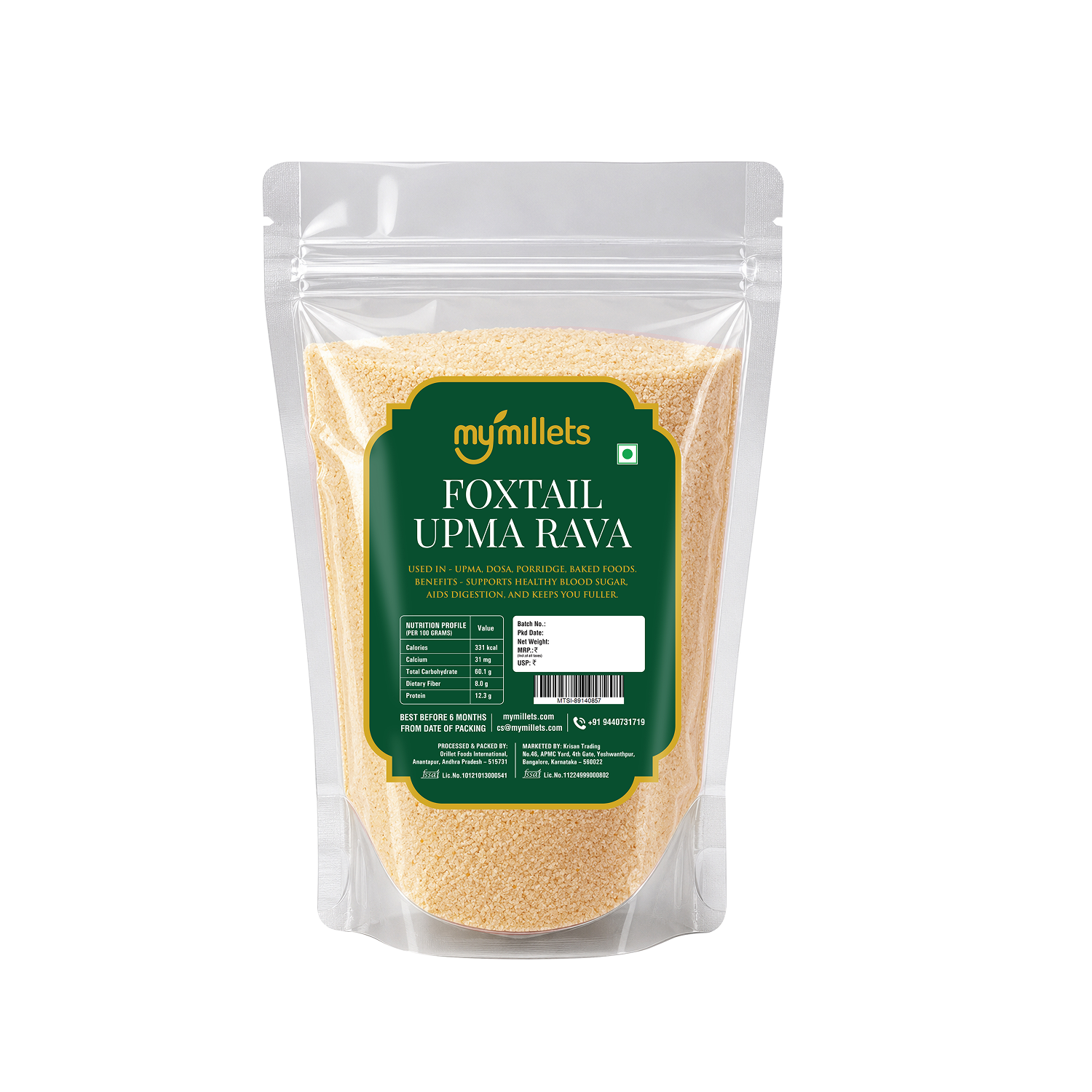
• Foxtail Millet Rava – Ideal for upma and pulao.
• Little Millet Rava – Great for light everyday meals.
• Barnyard Millet Rava – Suitable for quick-cooking recipes.
• Kodo Millet Rava – Excellent for traditional dishes.
• Ragi Rava – Popular for porridges and breakfast recipes.
• Multi Millet Rava – A balanced blend for a variety of recipes.
Trying different varieties is a great way to enjoy the diversity of millets in your diet.
1. What is millet rava?
Millet rava is a coarse, granular form of whole millets that serves as a wholesome alternative to traditional semolina (suji/rava). It retains the natural goodness of millets while offering a texture that is ideal for preparing a variety of savoury and sweet dishes.
2. How is millet rava different from regular semolina (suji)?
Traditional semolina is made from wheat, whereas millet rava is prepared from different millet varieties such as Foxtail, Little, Kodo, Barnyard, or Pearl Millet. Millet rava offers a unique flavour profile and allows consumers to enjoy the nutritional benefits of whole millets in everyday recipes.
3. Which millet rava varieties are available?
Depending on the product range, millet rava may be available in varieties such as:
• Foxtail Millet Rava
• Little Millet Rava
• Barnyard Millet Rava
• Kodo Millet Rava
• Pearl Millet (Bajra) Rava
• Finger Millet (Ragi) Rava
• Multi Millet Rava
Each variety offers a unique taste, texture, and culinary application.
4. What dishes can be prepared using millet rava?
Millet rava is highly versatile and can be used to prepare:
• Upma
• Khichdi
• Pongal
• Idli
• Dosa
• Porridge
• Kesari
• Vegetable pulao
• Cutlets
• Breakfast bowls
• Healthy snacks
It is suitable for both traditional and modern recipes.
5. Can millet rava replace regular rava in recipes?
Yes. Millet rava can be substituted for regular semolina in many recipes. Depending on the millet variety, slight adjustments in cooking time and water ratio may be required to achieve the desired consistency.
6. Is millet rava suitable for breakfast?
Absolutely. Millet rava is a convenient ingredient for preparing wholesome breakfast options such as upma, porridge, idli, dosa, and vegetable bowls that fit well into a balanced diet.
7. Should millet rava be roasted before cooking?
Some recipes benefit from lightly roasting millet rava before cooking to enhance its aroma and improve texture. However, preparation methods may vary depending on the specific recipe and millet variety.
8. Does millet rava cook faster than whole millets?
Yes. Since millet rava is coarsely broken rather than whole, it generally cooks faster than whole millet grains, making it an excellent choice for quick everyday meals.
9. Is millet rava naturally gluten-free?
Millet rava made entirely from millets is naturally gluten-free. However, individuals with celiac disease or severe gluten sensitivity should verify that the product has been processed in facilities that minimise cross-contamination.
10. How should millet rava be stored?
Store millet rava in an airtight container in a cool, dry place away from moisture, heat, and direct sunlight. Proper storage helps preserve freshness, flavour, and quality.
11. Can millet rava be used for traditional South Indian recipes?
Yes. Millet rava works well in many traditional recipes including:
• Upma
• Rava Idli
• Dosa
• Pongal
• Kesari
• Vegetable Rava Bath
It offers a wholesome alternative while maintaining familiar textures and flavours.
12. What makes millet rava different from millet flour?
Millet rava has a coarse, grain-like texture, whereas millet flour is finely ground. Rava is ideal for recipes that require texture, while flour is commonly used for rotis, baking, and batters.
13. Why choose MyMillets Millet Rava?
MyMillets Millet Rava is carefully processed to maintain the natural characteristics of whole millets while providing consistent texture and cooking performance. Our range is designed for consumers seeking nutritious alternatives for everyday meals.
14. How can millet rava be included in daily cooking?
Millet rava can easily become part of your daily meals by preparing:
• Morning breakfast upma
• Vegetable khichdi
• Healthy idlis
• Savoury dosas
• Sweet kesari
• Quick dinner bowls
• Lunch preparations with vegetables and legumes
Its versatility makes it suitable for every meal of the day.
15. Which millet rava should I choose?
The ideal choice depends on your taste preferences and intended recipes:
• Foxtail Millet Rava – Ideal for upma and pulao.
• Little Millet Rava – Great for light everyday meals.
• Barnyard Millet Rava – Suitable for quick-cooking recipes.
• Kodo Millet Rava – Excellent for traditional dishes.
• Ragi Rava – Popular for porridges and breakfast recipes.
• Multi Millet Rava – A balanced blend for a variety of recipes.
Trying different varieties is a great way to enjoy the diversity of millets in your diet.
