
Filters
5 products
Flours FAQs
-
1. What are millet flours?
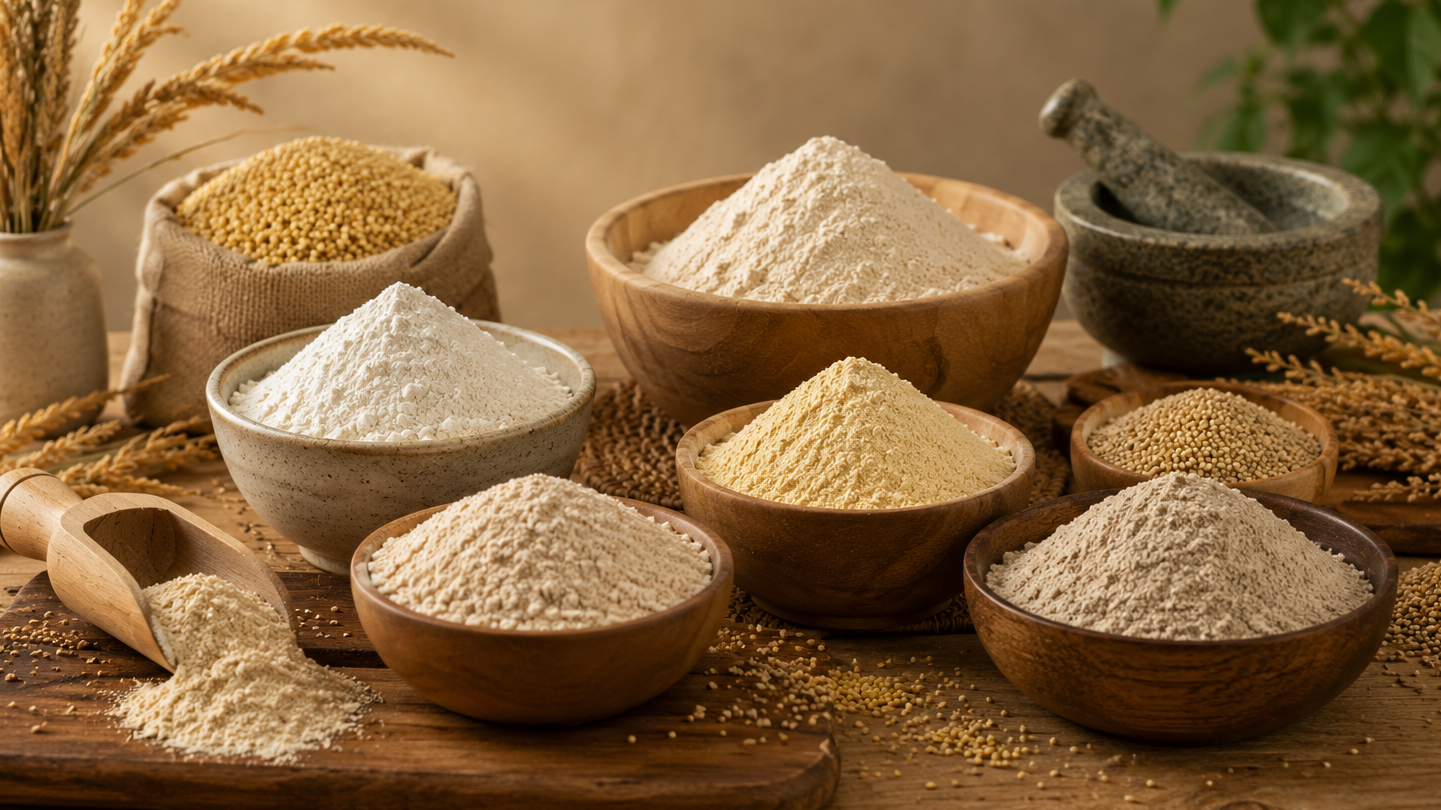
Millet flours are finely ground flours made from whole millets such as Foxtail Millet, Finger Millet (Ragi), Pearl Millet (Bajra), Jowar (Sorghum), Kodo Millet, Barnyard Millet, and Little Millet. They offer a nutritious alternative to refined flours and can be used in a wide variety of traditional and modern recipes.
2. How are millet flours different from wheat flour?
Millet flours are made from naturally gluten-free whole grains, whereas wheat flour contains gluten. Millet flours have unique flavours, textures, and nutritional profiles, making them an excellent choice for diversifying everyday meals.
3. Which millet flour is best for making rotis?
Different millet flours are suitable for different recipes:
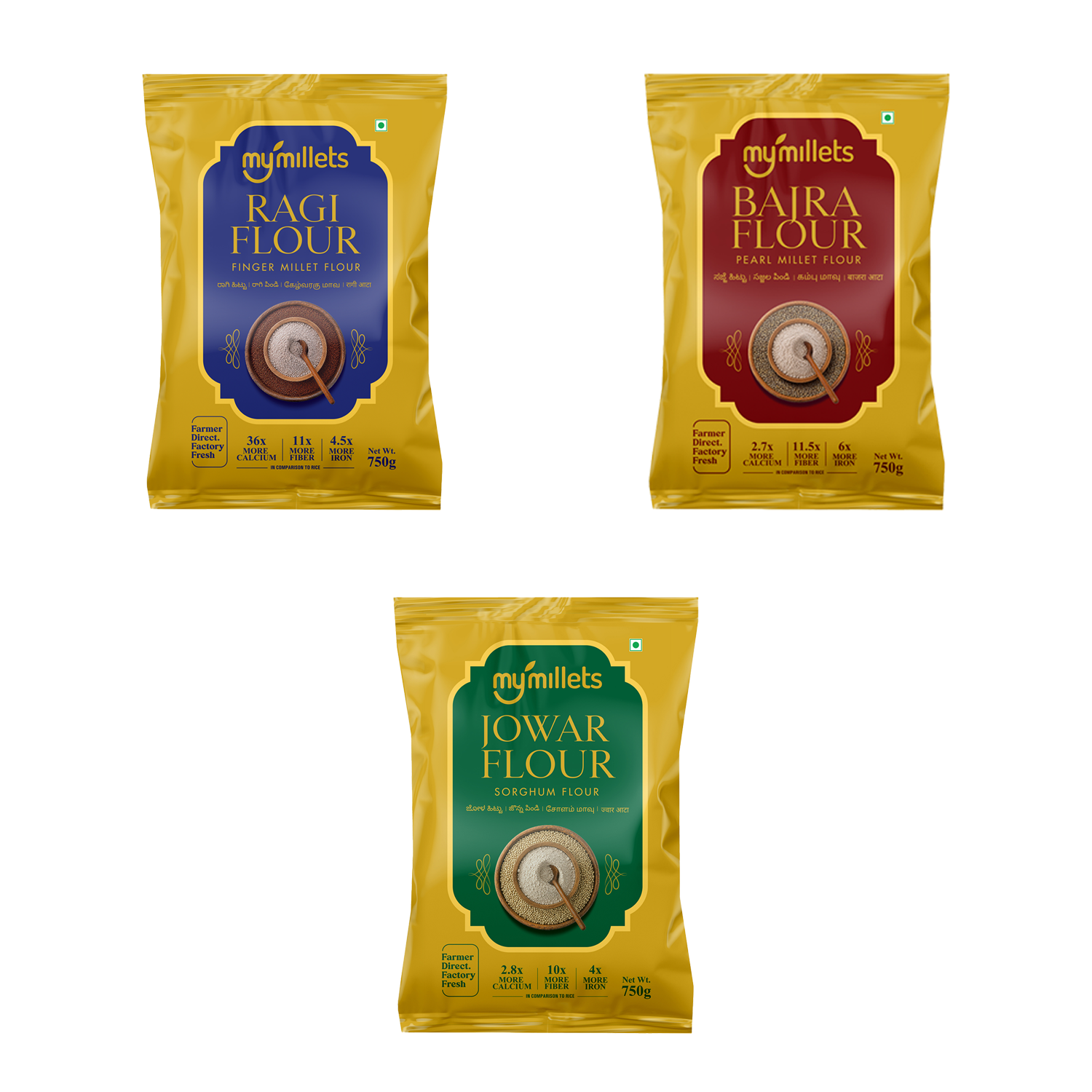
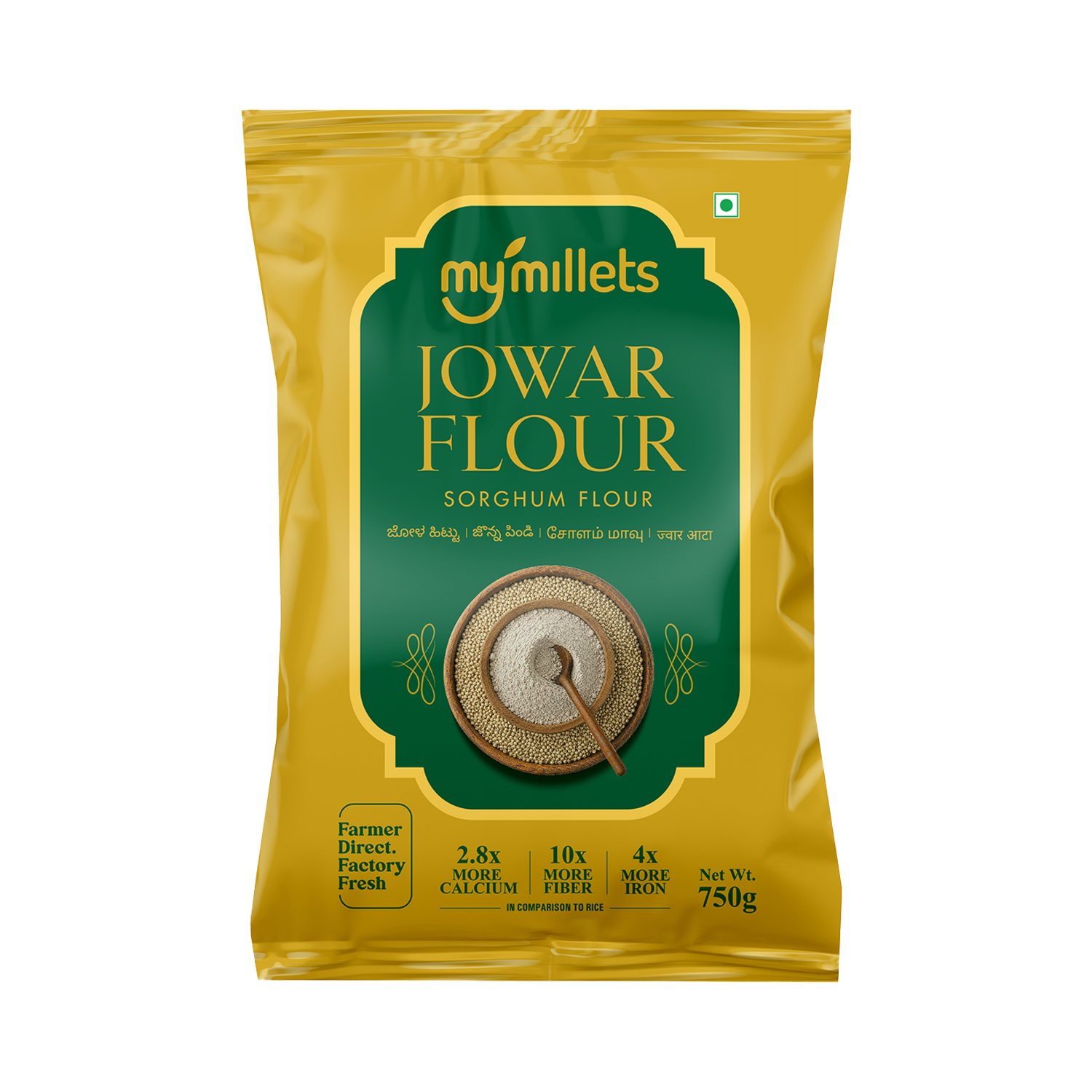
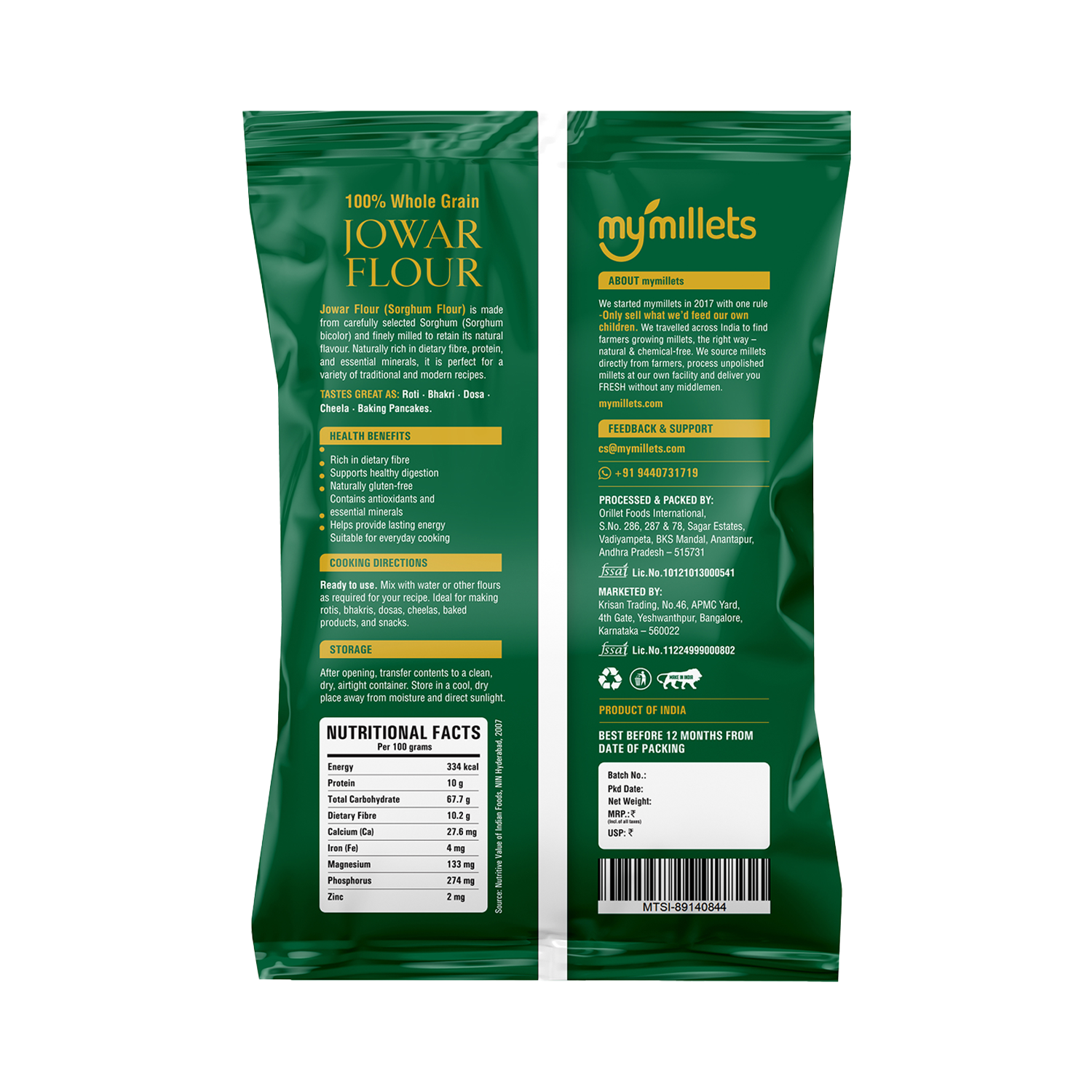
• Jowar Flour – Soft rotis and bhakris
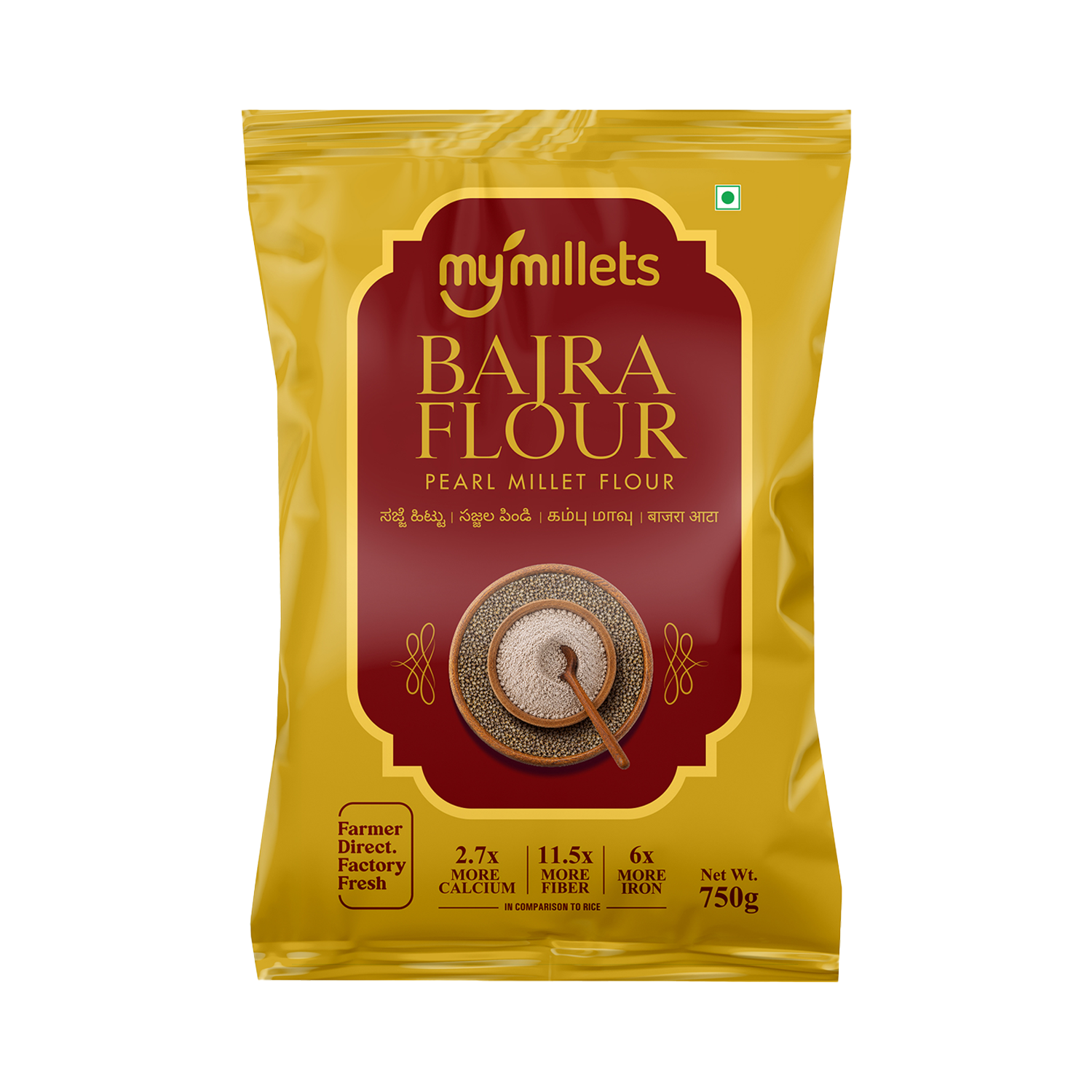
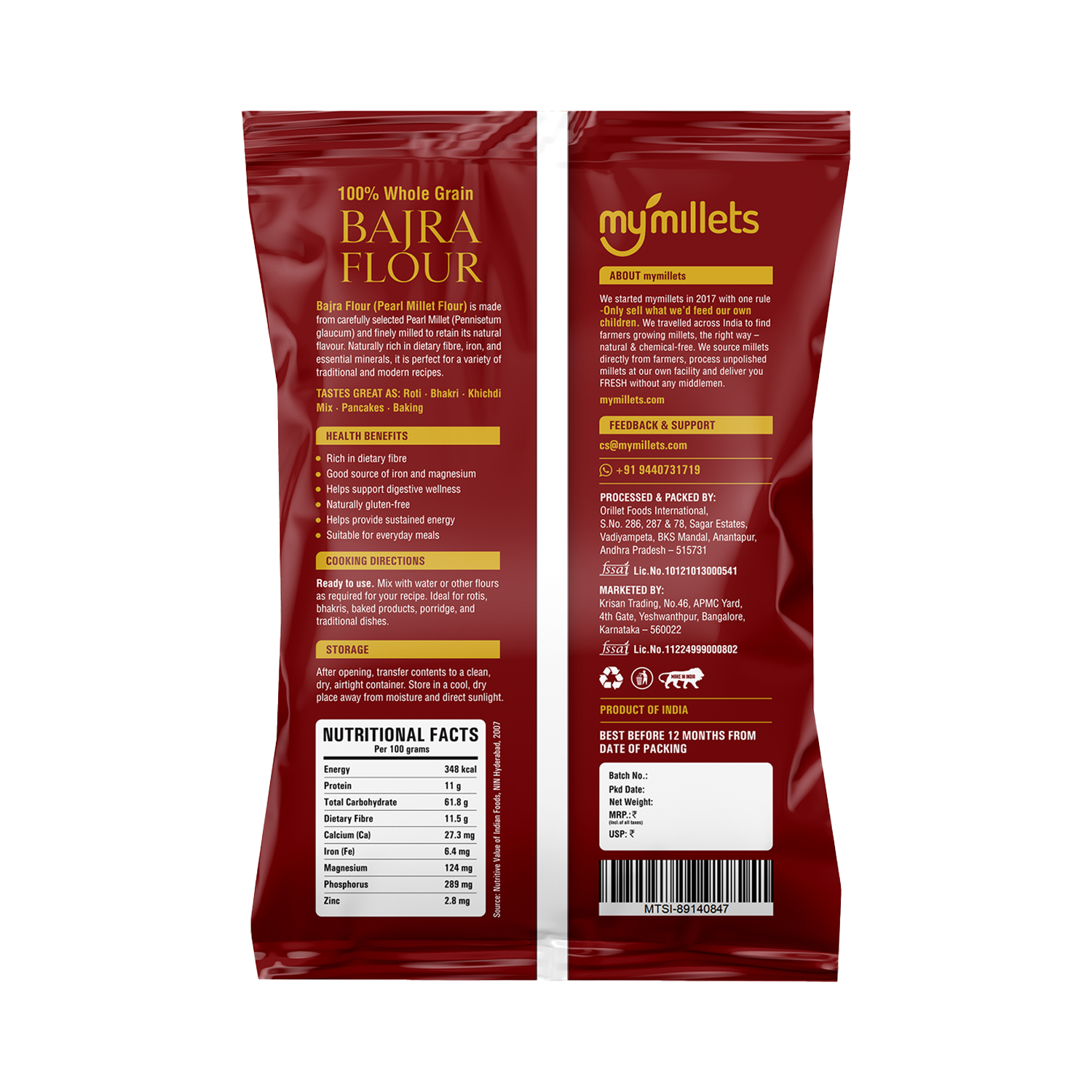
• Bajra Flour – Traditional flatbreads
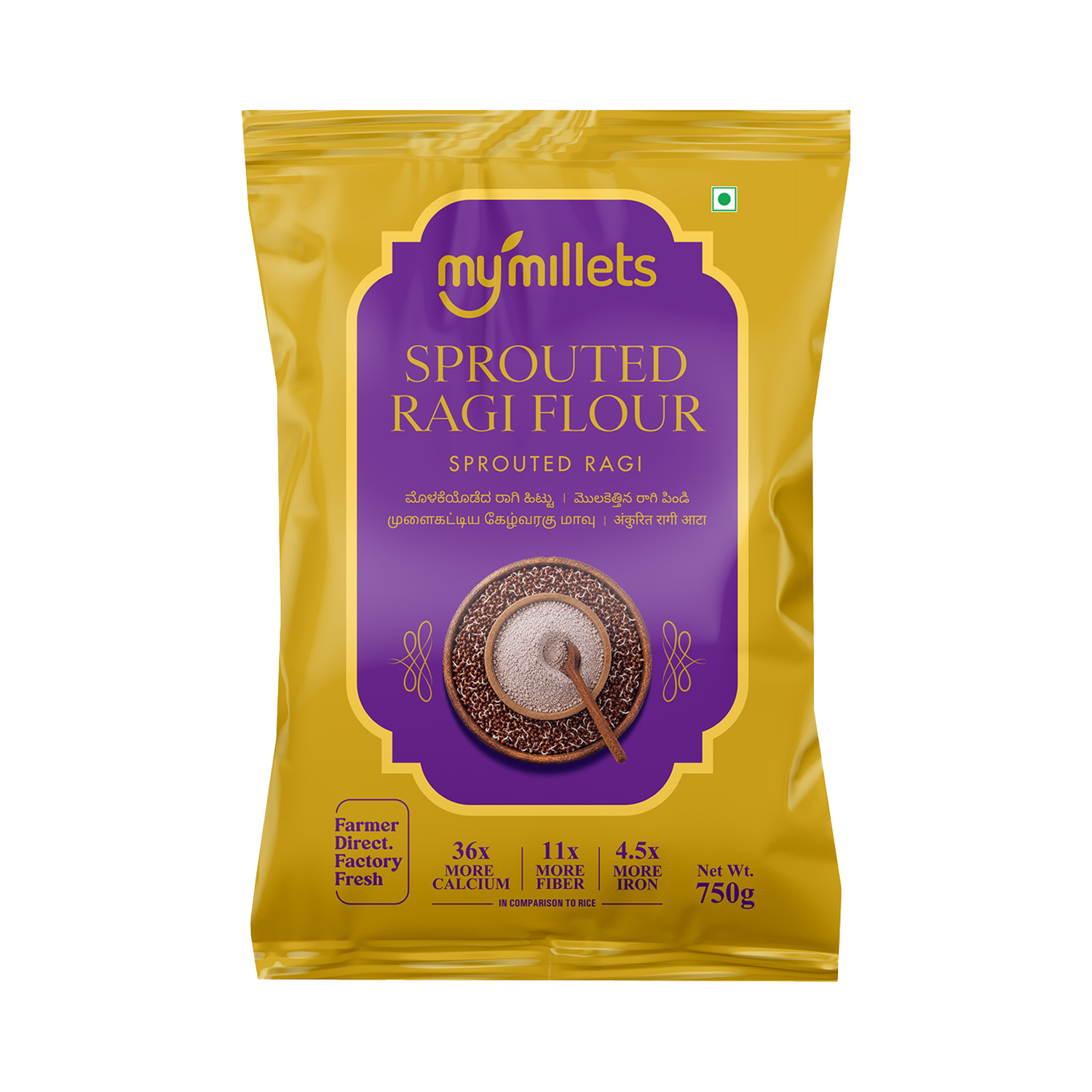
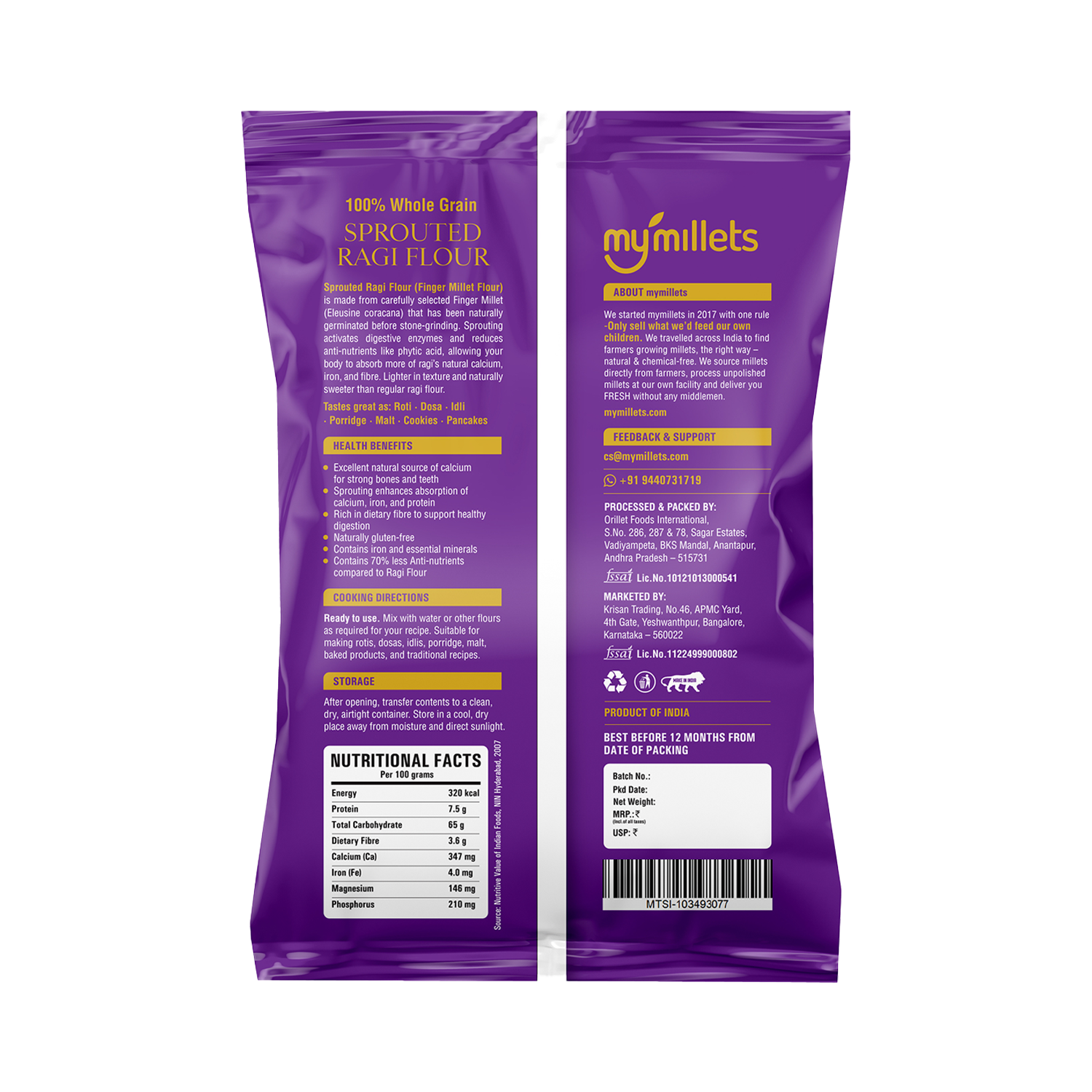
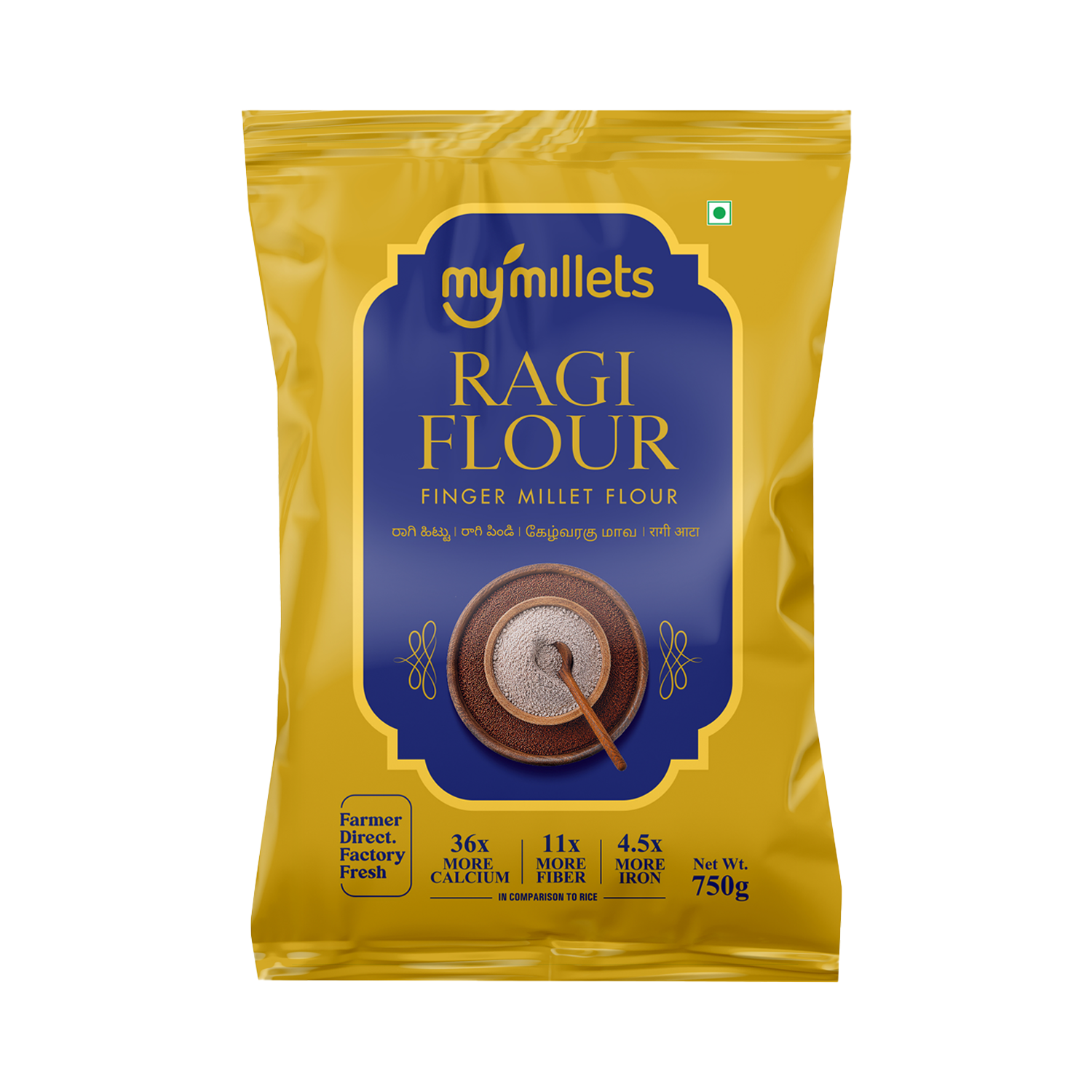
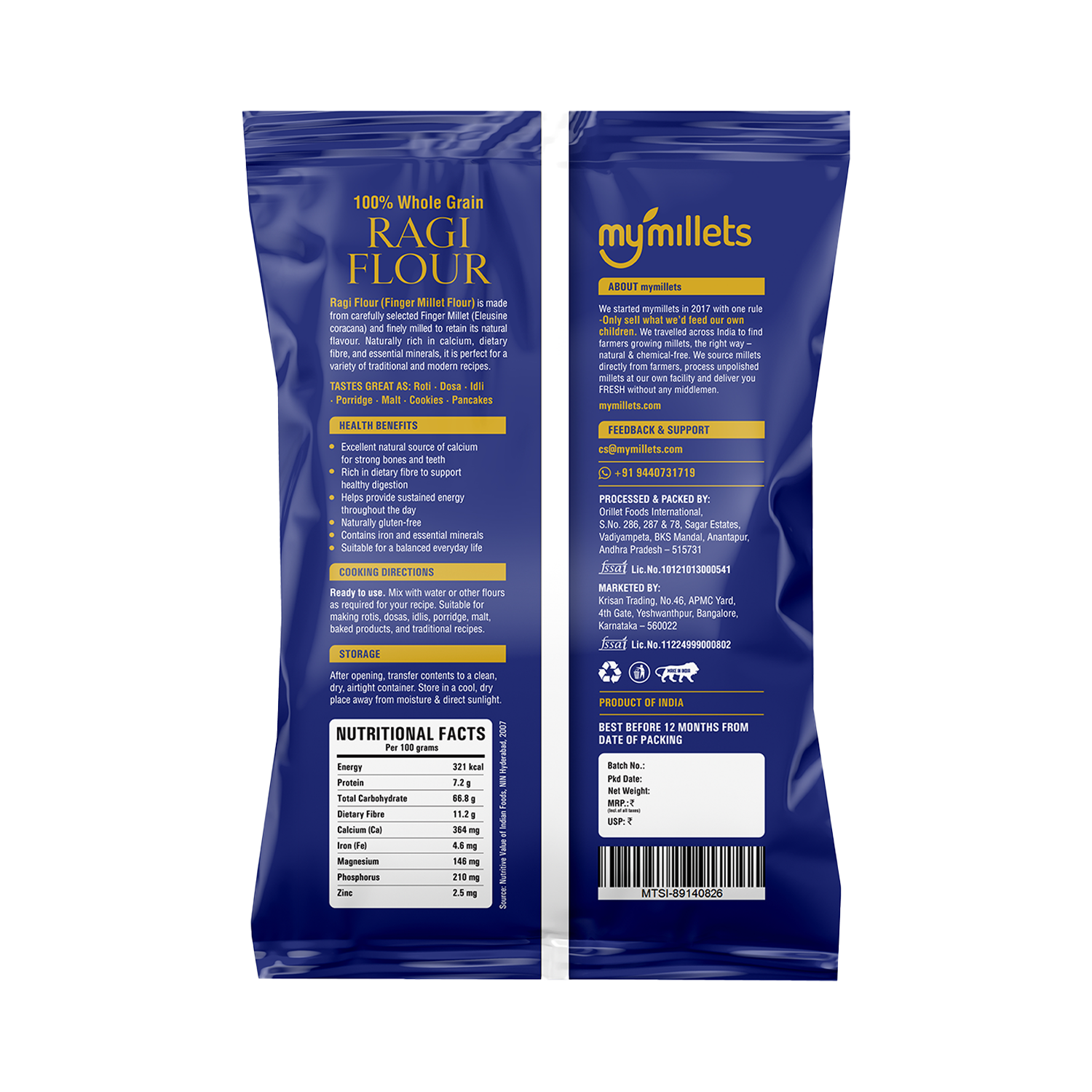
• Ragi Flour – Rotis, dosas, and porridges
• Foxtail Millet Flour – Multi-grain rotis and baking
• Multi Millet Flour – Everyday chapatis and healthy baking
Many people also combine millet flour with whole wheat flour for improved texture and handling.
4. Can millet flour replace wheat flour?
Millet flour can replace wheat flour in many recipes, although the proportion may vary depending on the dish. It works well for rotis, pancakes, dosas, idlis, baked goods, and traditional Indian recipes. Blending millet flour with other flours may improve texture in certain applications.
5. Are millet flours naturally gluten-free?
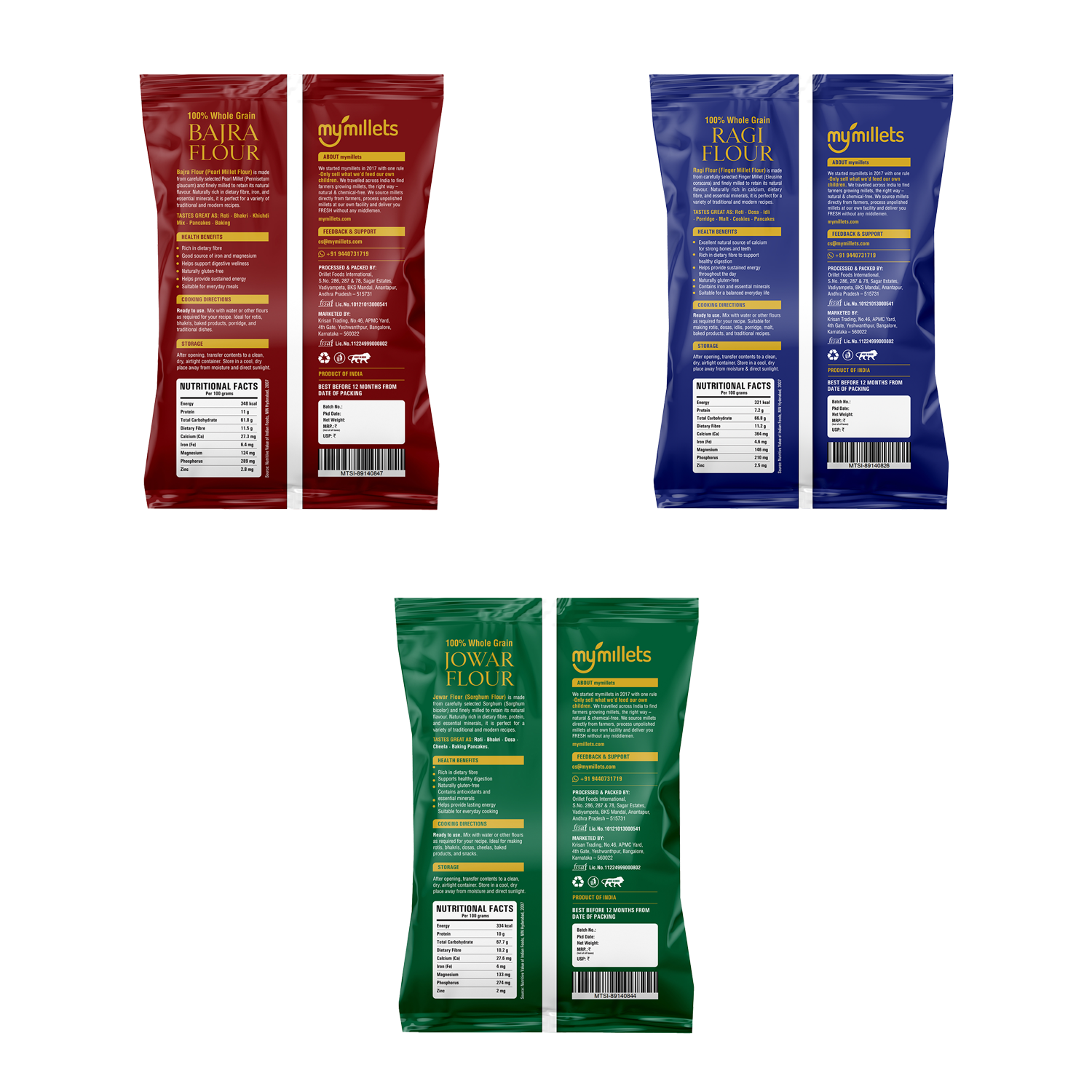
Yes. Pure millet flours are naturally gluten-free. However, individuals with celiac disease or severe gluten sensitivity should choose products that are processed in facilities that prevent cross-contamination.
6. What recipes can be prepared using millet flour?
Millet flours are highly versatile and can be used to prepare:
• Rotis
• Bhakris
• Parathas
• Dosas
• Idlis
• Pancakes
• Muffins
• Cookies
• Cakes
• Bread
• Pooris
• Chillas
• Healthy snacks
They are suitable for both traditional Indian cooking and modern baking.
7. Can millet flour be used for baking?
Yes. Millet flours can be incorporated into baking recipes such as breads, cakes, muffins, cookies, brownies, and pancakes. Depending on the recipe, they may be used individually or blended with other flours to achieve the desired texture.
8. Which millet flour should I choose?
The ideal flour depends on your cooking preferences:
• Ragi Flour – Breakfasts, porridges, rotis
• Jowar Flour – Rotis and flatbreads
• Bajra Flour – Traditional Indian recipes
• Foxtail Millet Flour – Baking and chapatis
• Little Millet Flour – Everyday cooking
• Multi Millet Flour – A balanced blend for versatile use
Trying different millet flours allows you to enjoy a wider variety of flavours and recipes.
9. How should millet flour be stored?
Millet flour should be stored in an airtight container in a cool, dry place away from direct sunlight and moisture. Refrigeration can help maintain freshness, especially in warmer climates.
10. Is millet flour suitable for everyday cooking?
Yes. Millet flour can be incorporated into daily meals as part of a balanced diet. Many households use it for rotis, breakfast recipes, baked goods, and snacks to add variety to their meals.
11. What is Multi Millet Flour?
Multi Millet Flour is a blend of two or more millet varieties, carefully combined to offer versatility in cooking while bringing together the unique characteristics of different whole grains. It is commonly used for chapatis, rotis, pancakes, and baking.
12. Does millet flour taste different from wheat flour?
Yes. Each millet flour has its own natural flavour and texture. Some varieties have a mild taste, while others offer a slightly nutty or earthy flavour that complements both savoury and sweet recipes.
13. Why choose mymillets Flour?
Mymillets Flour is carefully milled from quality whole grains to retain their natural characteristics. Our range is designed for consumers looking for wholesome alternatives that can be easily incorporated into everyday cooking and baking.
14. Can millet flour be mixed with other flours?
Absolutely. Millet flour is commonly blended with wheat flour, rice flour, gram flour, or other whole-grain flours depending on the recipe. Blending can improve texture while adding variety to your meals.
15. How can millet flour be included in my daily diet?
Millet flour can easily become part of your everyday cooking by preparing:
• Chapatis and rotis
• Dosas and idlis
• Pancakes
• Chillas
• Healthy baking recipes
• Homemade bread
• Cookies and muffins
• Thickening soups and gravies
• Traditional Indian snacks
Using different millet flours throughout the week is a great way to enjoy a wider range of whole grains.
1. What are millet flours?
Millet flours are finely ground flours made from whole millets such as Foxtail Millet, Finger Millet (Ragi), Pearl Millet (Bajra), Jowar (Sorghum), Kodo Millet, Barnyard Millet, and Little Millet. They offer a nutritious alternative to refined flours and can be used in a wide variety of traditional and modern recipes.
2. How are millet flours different from wheat flour?
Millet flours are made from naturally gluten-free whole grains, whereas wheat flour contains gluten. Millet flours have unique flavours, textures, and nutritional profiles, making them an excellent choice for diversifying everyday meals.
3. Which millet flour is best for making rotis?
Different millet flours are suitable for different recipes:
• Jowar Flour – Soft rotis and bhakris
• Bajra Flour – Traditional flatbreads
• Ragi Flour – Rotis, dosas, and porridges
• Foxtail Millet Flour – Multi-grain rotis and baking
• Multi Millet Flour – Everyday chapatis and healthy baking
Many people also combine millet flour with whole wheat flour for improved texture and handling.
4. Can millet flour replace wheat flour?
Millet flour can replace wheat flour in many recipes, although the proportion may vary depending on the dish. It works well for rotis, pancakes, dosas, idlis, baked goods, and traditional Indian recipes. Blending millet flour with other flours may improve texture in certain applications.
5. Are millet flours naturally gluten-free?
Yes. Pure millet flours are naturally gluten-free. However, individuals with celiac disease or severe gluten sensitivity should choose products that are processed in facilities that prevent cross-contamination.
6. What recipes can be prepared using millet flour?
Millet flours are highly versatile and can be used to prepare:
• Rotis
• Bhakris
• Parathas
• Dosas
• Idlis
• Pancakes
• Muffins
• Cookies
• Cakes
• Bread
• Pooris
• Chillas
• Healthy snacks
They are suitable for both traditional Indian cooking and modern baking.
7. Can millet flour be used for baking?
Yes. Millet flours can be incorporated into baking recipes such as breads, cakes, muffins, cookies, brownies, and pancakes. Depending on the recipe, they may be used individually or blended with other flours to achieve the desired texture.
8. Which millet flour should I choose?
The ideal flour depends on your cooking preferences:
• Ragi Flour – Breakfasts, porridges, rotis
• Jowar Flour – Rotis and flatbreads
• Bajra Flour – Traditional Indian recipes
• Foxtail Millet Flour – Baking and chapatis
• Little Millet Flour – Everyday cooking
• Multi Millet Flour – A balanced blend for versatile use
Trying different millet flours allows you to enjoy a wider variety of flavours and recipes.
9. How should millet flour be stored?
Millet flour should be stored in an airtight container in a cool, dry place away from direct sunlight and moisture. Refrigeration can help maintain freshness, especially in warmer climates.
10. Is millet flour suitable for everyday cooking?
Yes. Millet flour can be incorporated into daily meals as part of a balanced diet. Many households use it for rotis, breakfast recipes, baked goods, and snacks to add variety to their meals.
11. What is Multi Millet Flour?
Multi Millet Flour is a blend of two or more millet varieties, carefully combined to offer versatility in cooking while bringing together the unique characteristics of different whole grains. It is commonly used for chapatis, rotis, pancakes, and baking.
12. Does millet flour taste different from wheat flour?
Yes. Each millet flour has its own natural flavour and texture. Some varieties have a mild taste, while others offer a slightly nutty or earthy flavour that complements both savoury and sweet recipes.
13. Why choose mymillets Flour?
Mymillets Flour is carefully milled from quality whole grains to retain their natural characteristics. Our range is designed for consumers looking for wholesome alternatives that can be easily incorporated into everyday cooking and baking.
14. Can millet flour be mixed with other flours?
Absolutely. Millet flour is commonly blended with wheat flour, rice flour, gram flour, or other whole-grain flours depending on the recipe. Blending can improve texture while adding variety to your meals.
15. How can millet flour be included in my daily diet?
Millet flour can easily become part of your everyday cooking by preparing:
• Chapatis and rotis
• Dosas and idlis
• Pancakes
• Chillas
• Healthy baking recipes
• Homemade bread
• Cookies and muffins
• Thickening soups and gravies
• Traditional Indian snacks
Using different millet flours throughout the week is a great way to enjoy a wider range of whole grains.
