
Filters
11 products




Dry Fruits & Nuts FAQs
-
1. What are dry fruits and nuts?
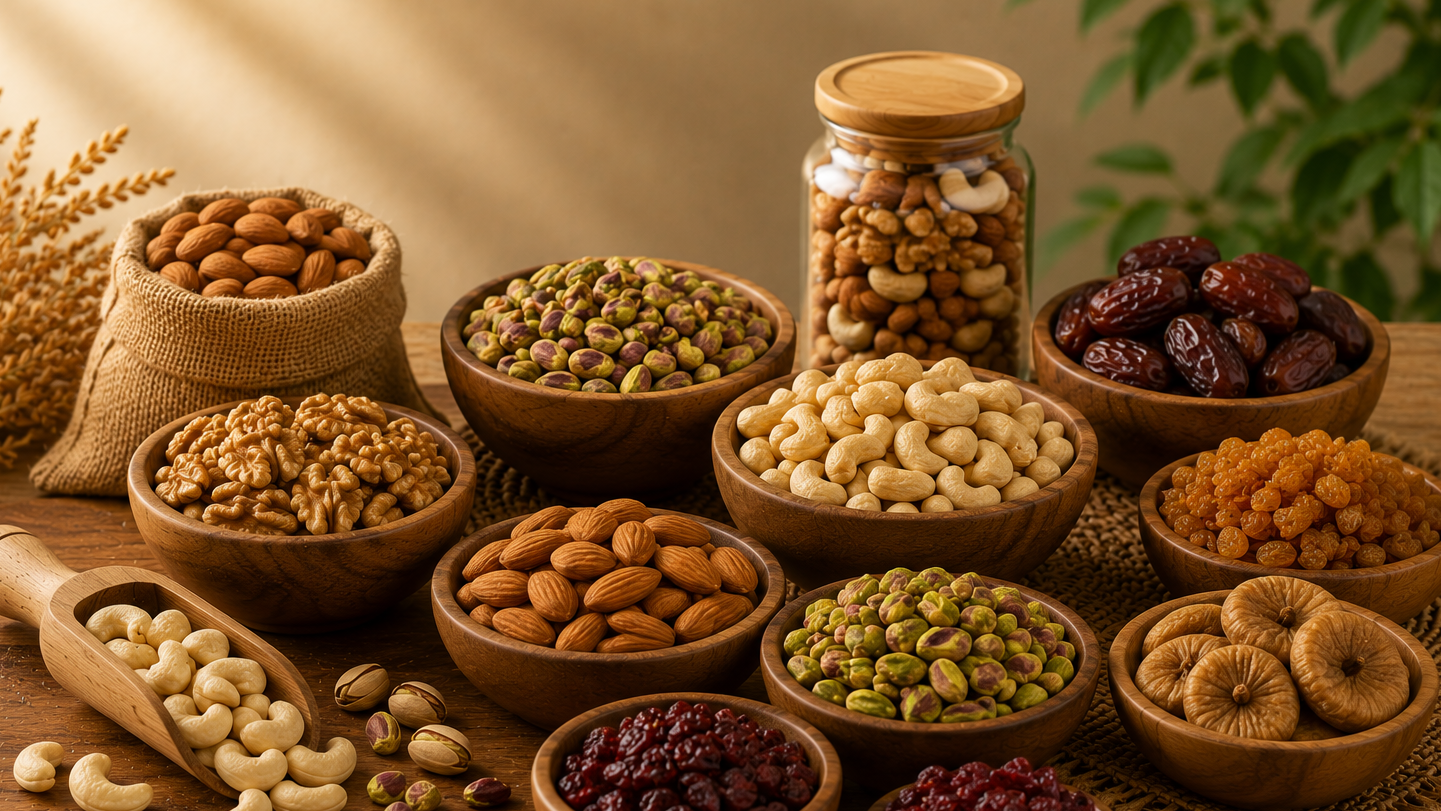
Dry fruits and nuts are two related categories of nutrient-dense foods. Dry fruits, such as raisins, dates, dried figs, and dried apricots, are fruits that contain very little moisture, either naturally or after controlled drying. Nuts, such as almonds, cashews, walnuts, and pistachios, are edible kernels typically enclosed within a hard shell. Both are widely enjoyed as wholesome snacks and versatile ingredients in everyday cooking, and are often sold together as mixed assortments.
2. Why should dry fruits and nuts be included in a balanced diet?
Dry fruits and nuts are naturally rich in dietary fibre, healthy fats, plant-based protein, vitamins, minerals, and antioxidants. Including a variety of them in your meals can add nutritional diversity, flavour, and texture to your everyday diet.
3. What types of dry fruits and nuts are available at myMillets?
Our collection may include:
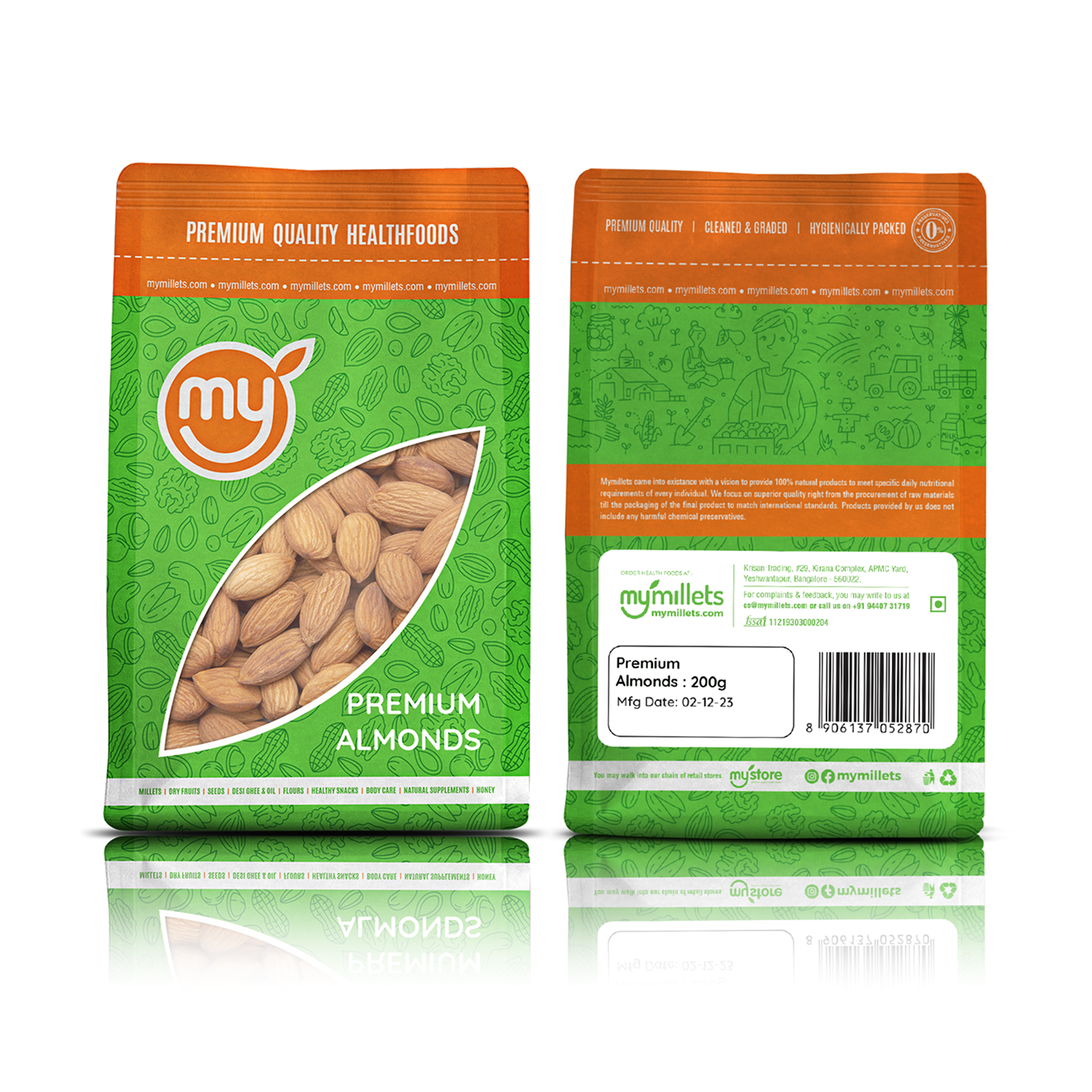
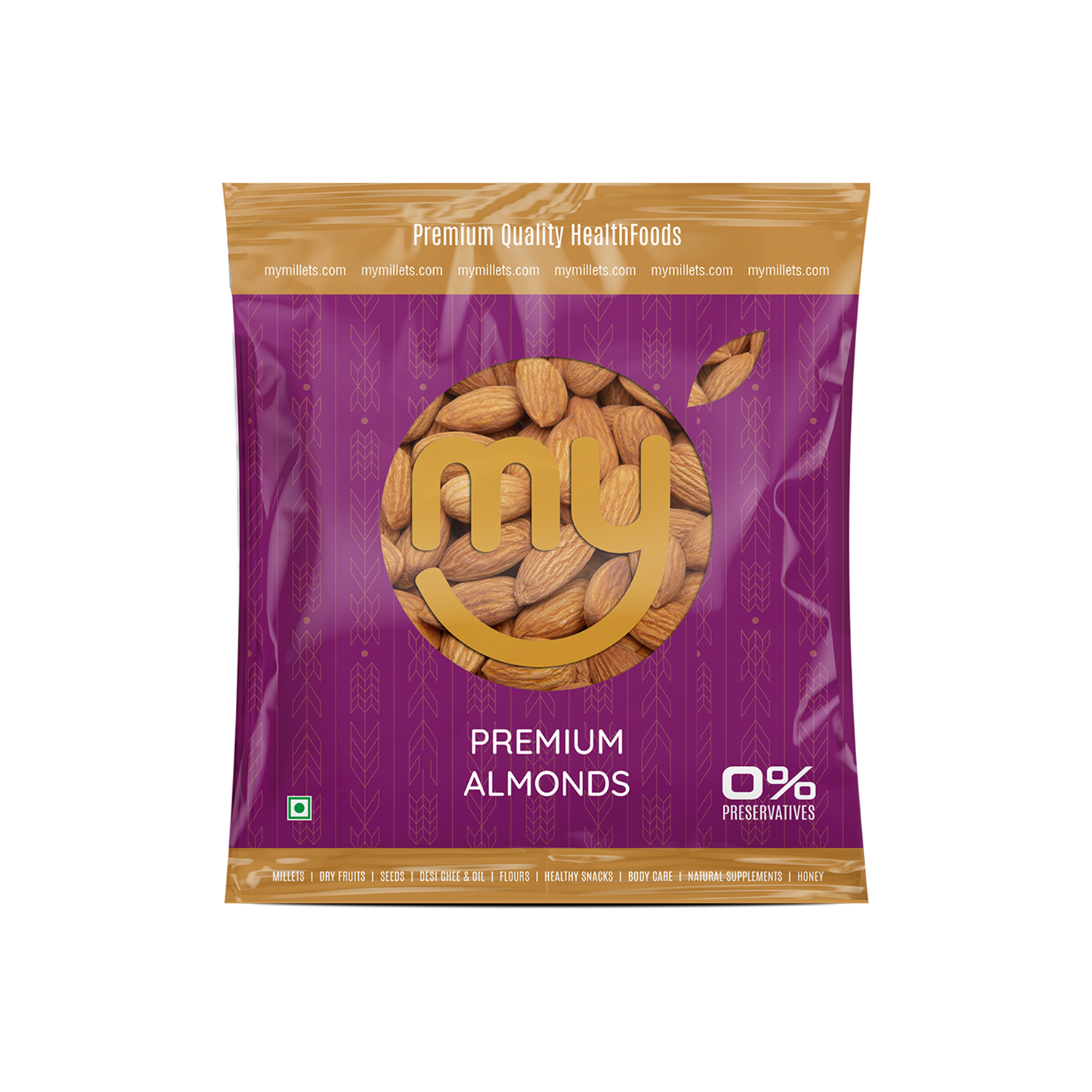
• Almonds
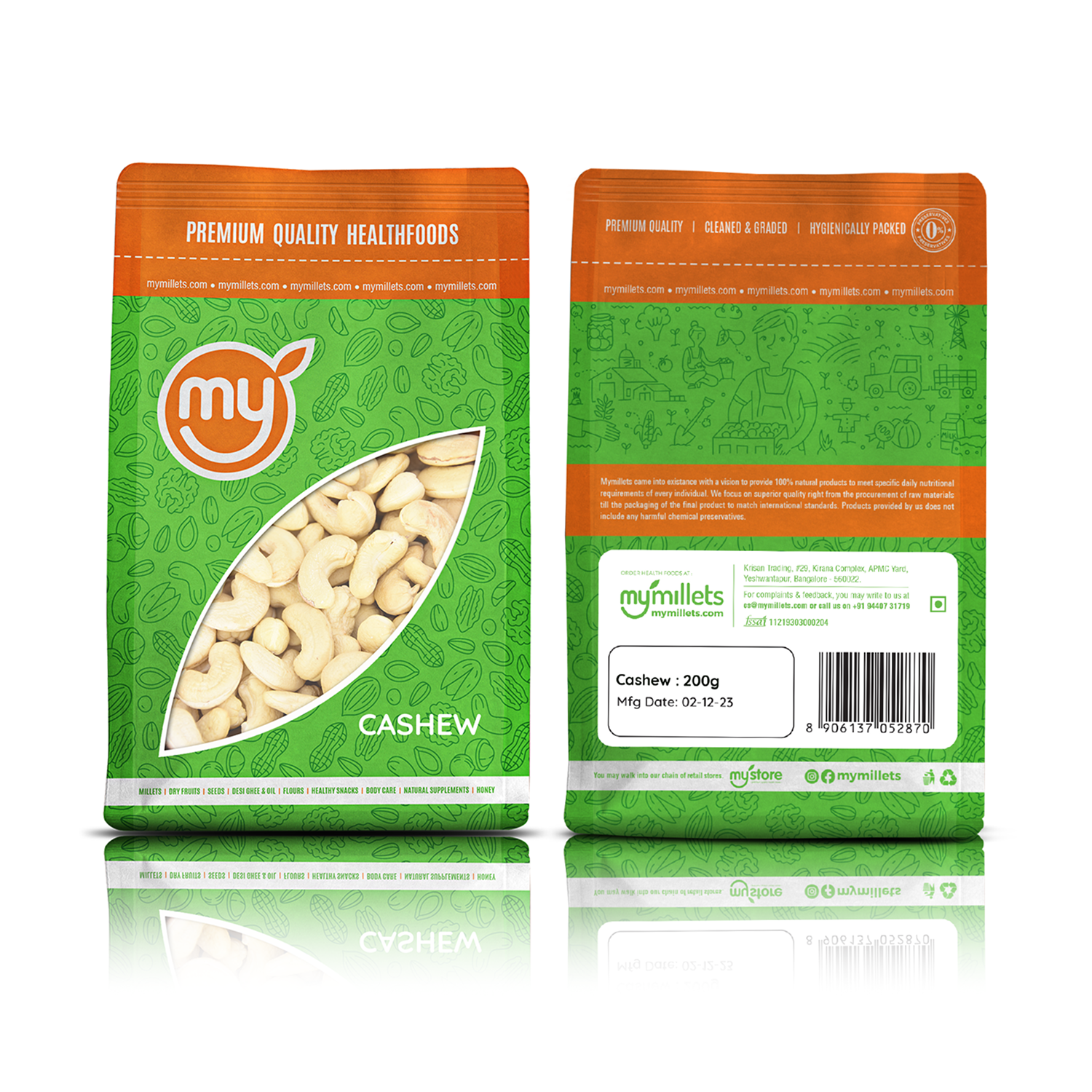
• Cashews
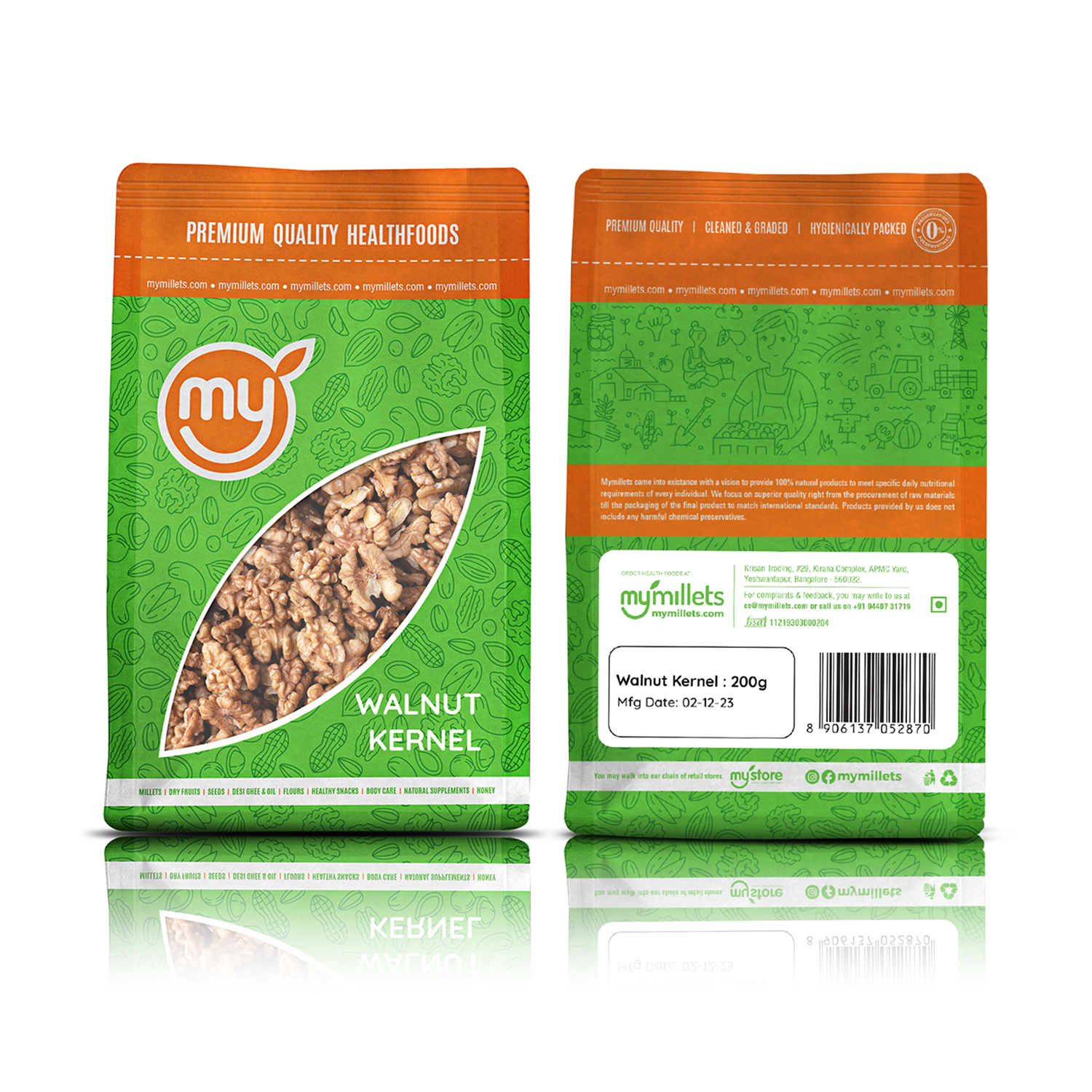
• Walnuts
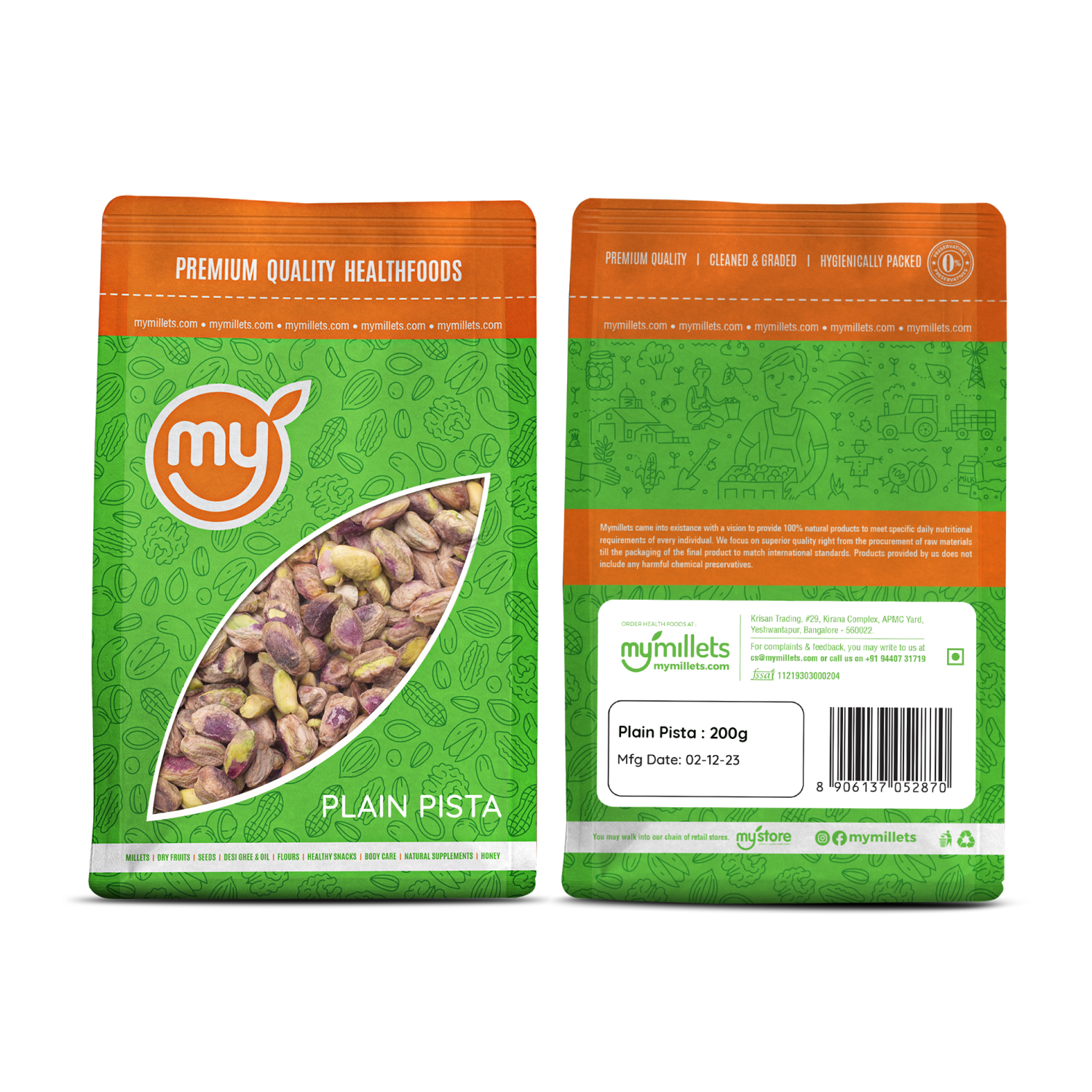
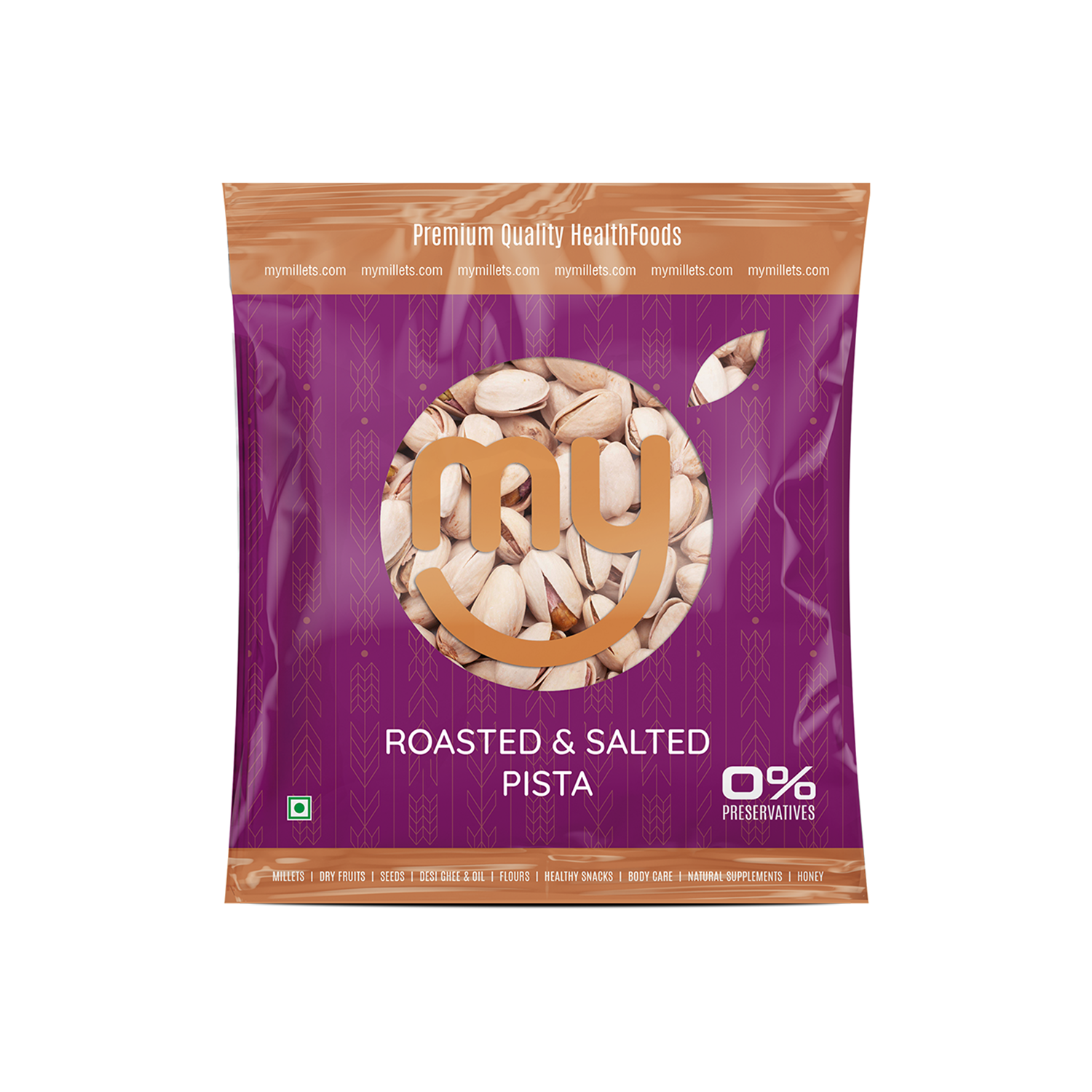
• Pistachios
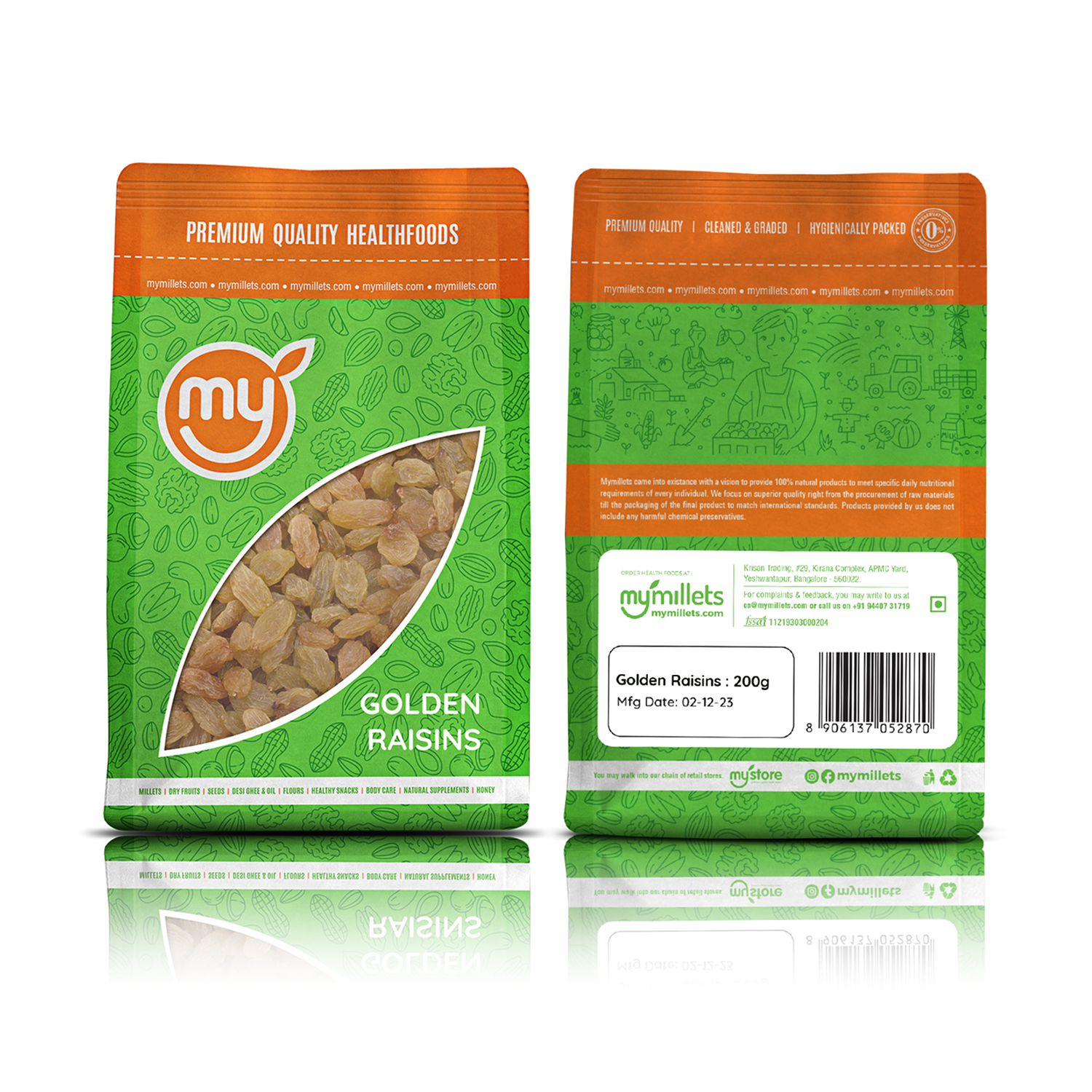
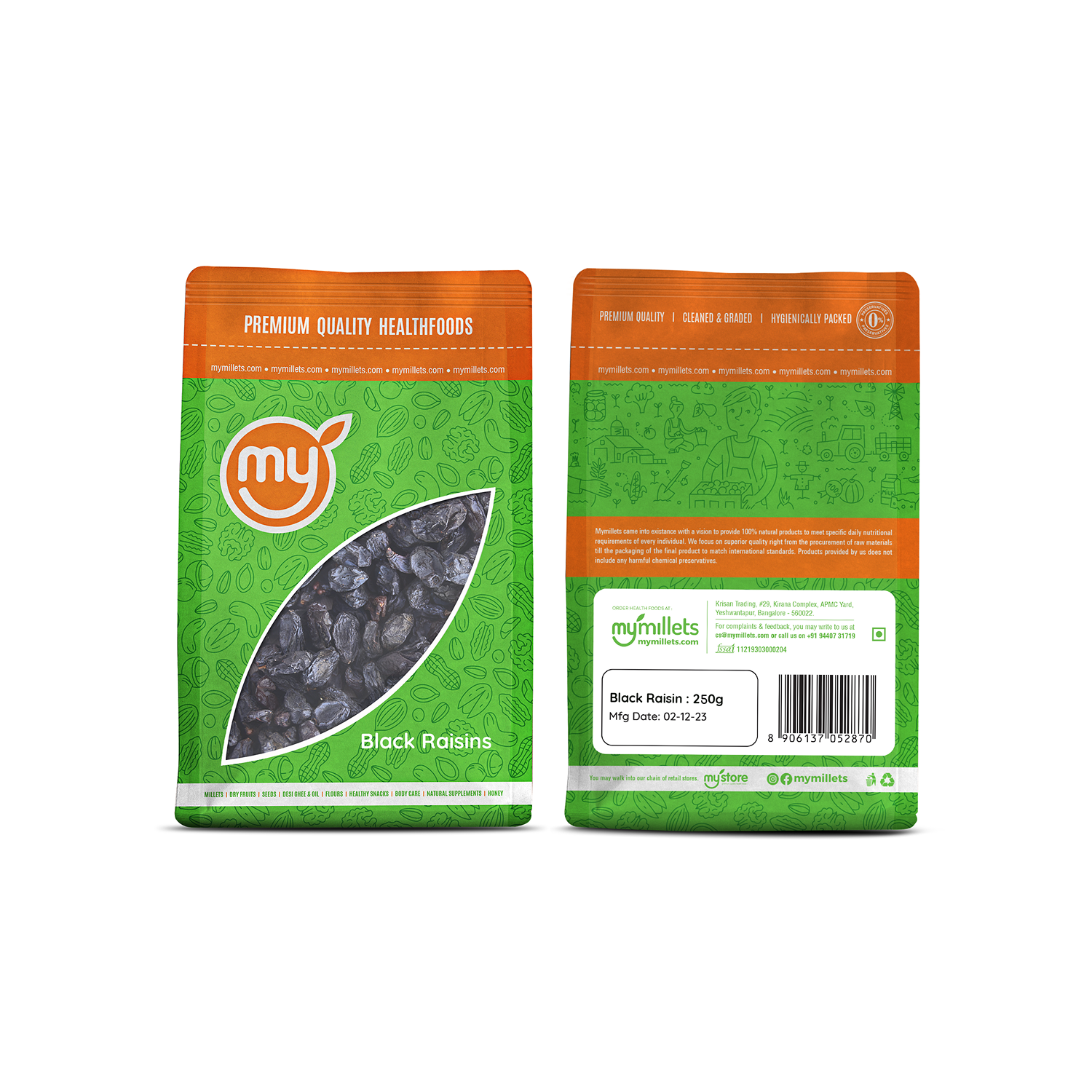
• Raisins
• Dates
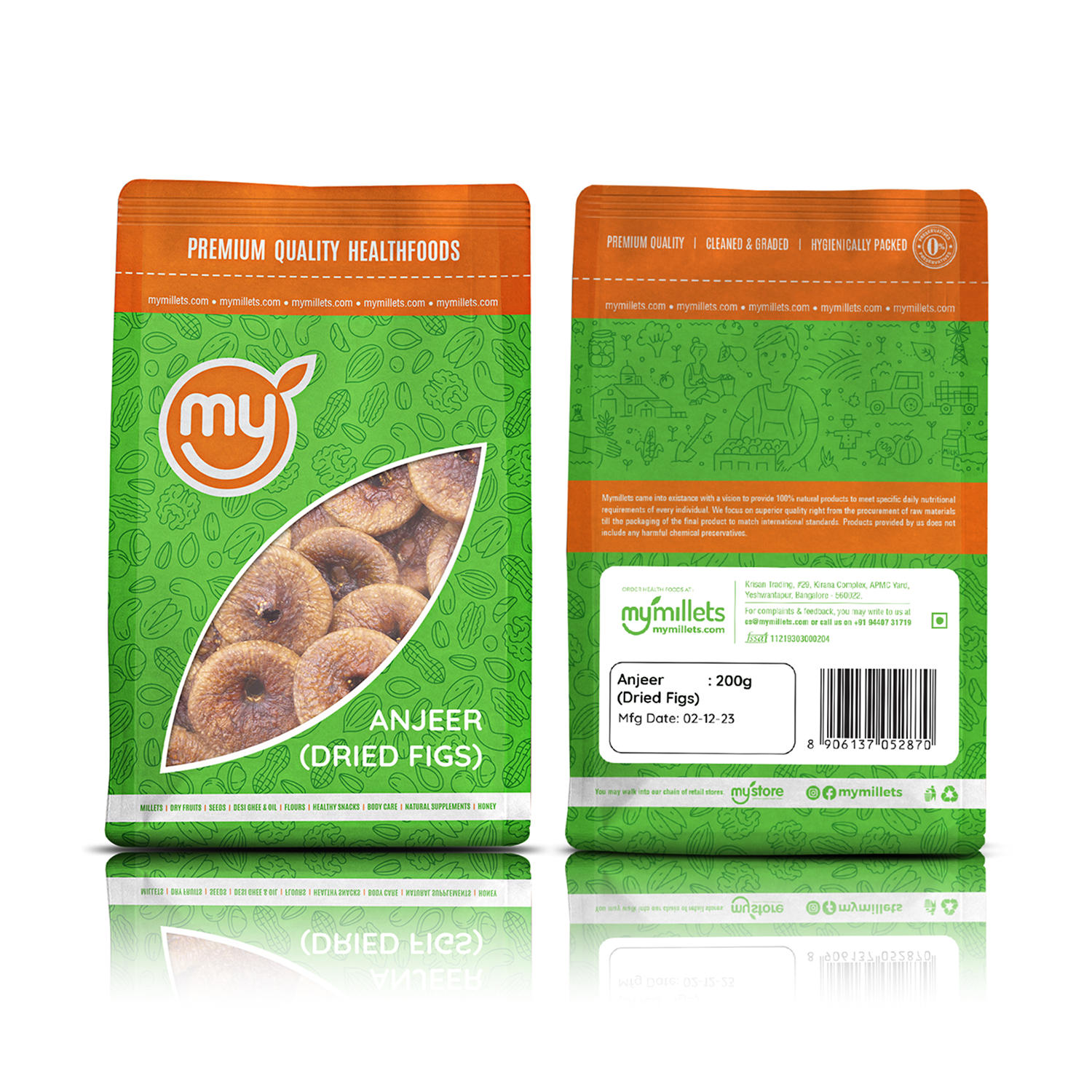
• Dried Figs (Anjeer)
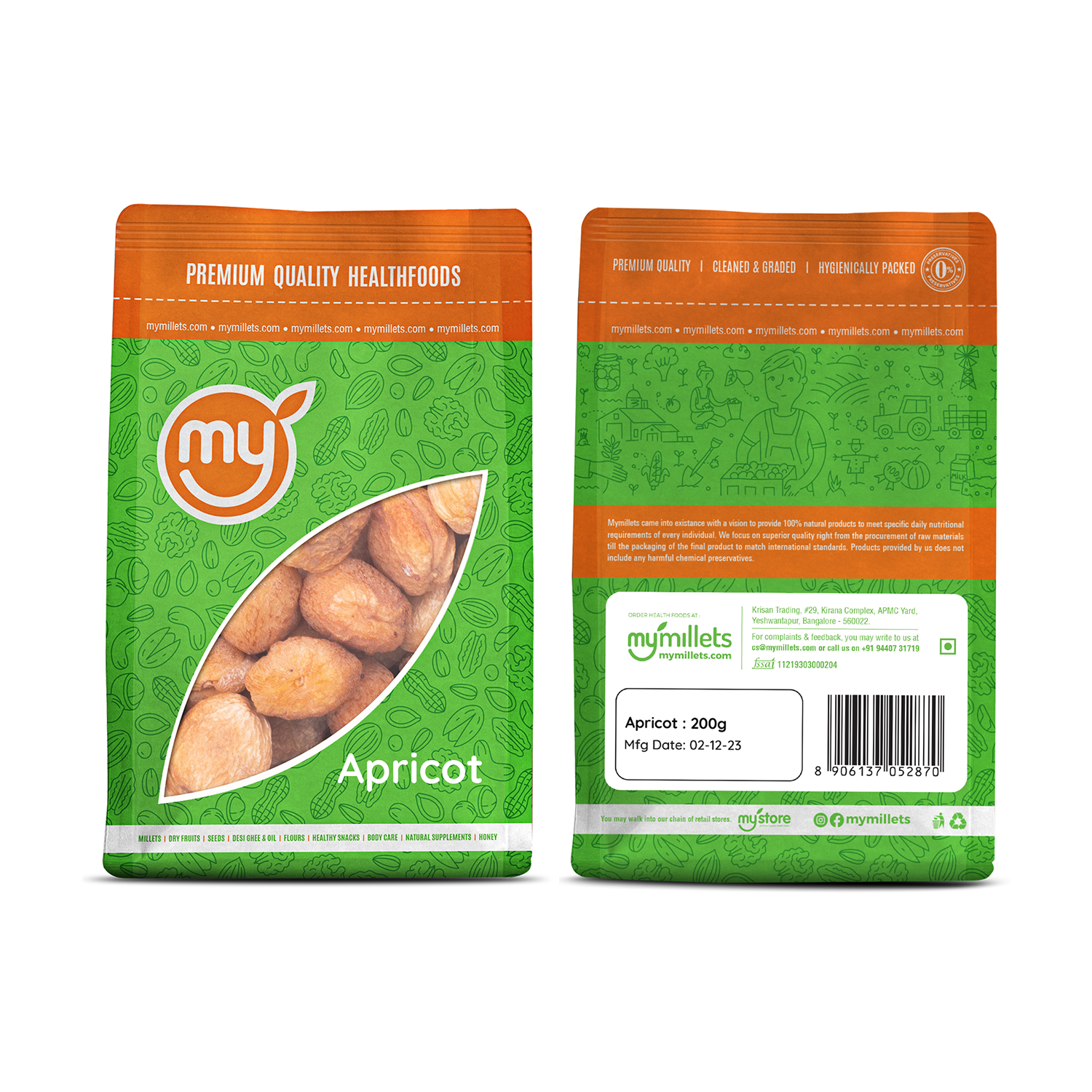
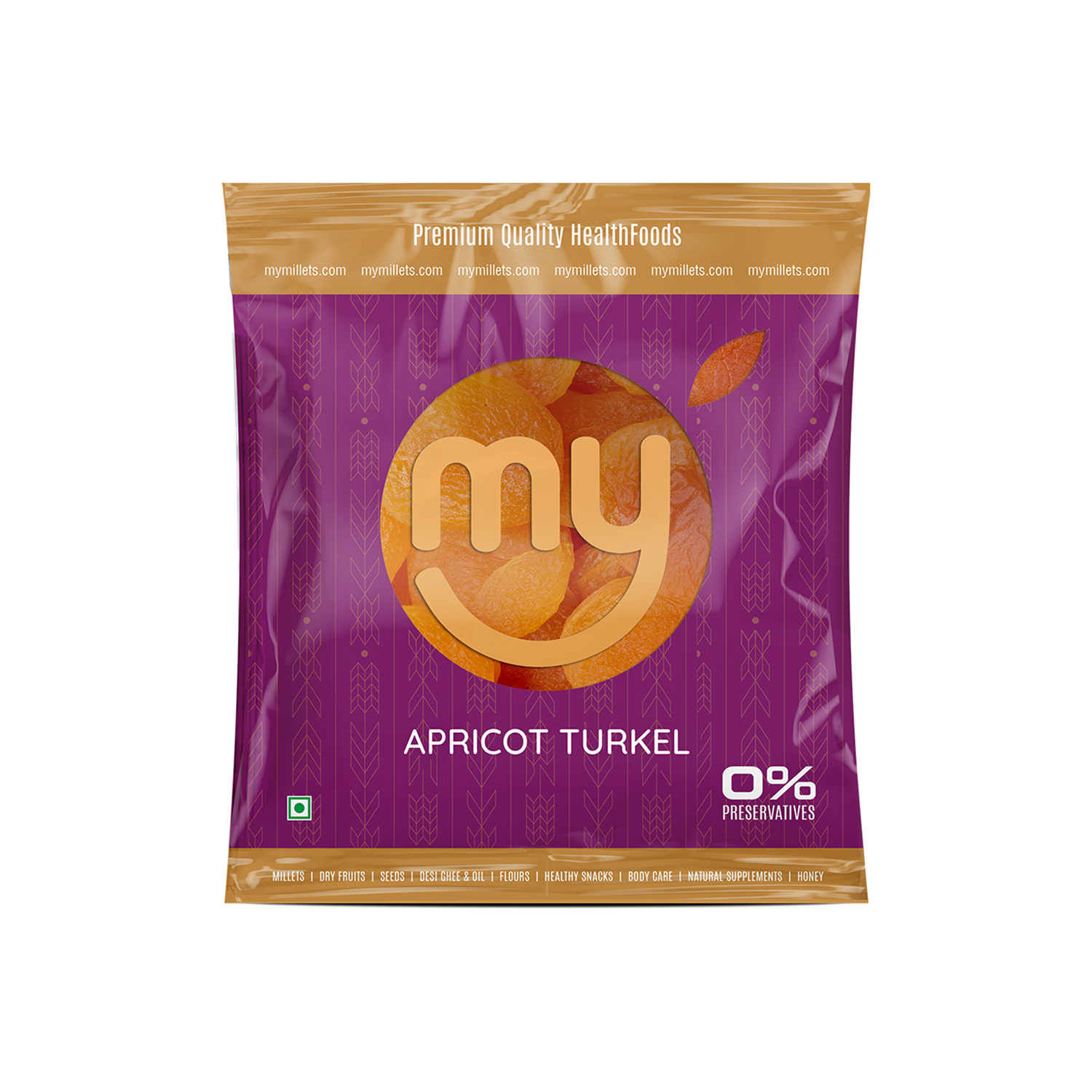
• Dried Apricots
• Mixed Dry Fruit & Nut Packs
Each variety offers its own unique taste, texture, and culinary applications.
4. What is the difference between dry fruits and nuts?
The terms are often used interchangeably, but they are different. Dry fruits are fruits that have been naturally or artificially dried, such as raisins, dates, figs, and apricots. Nuts, including almonds, cashews, walnuts, and pistachios, are edible seeds enclosed within a hard shell. Together, they make a nutritious and versatile pantry staple.
5. Can dry fruits be eaten every day?
Dry fruits can be enjoyed regularly as part of a balanced diet. Since they are naturally nutrient-dense, portion control is generally recommended. The ideal serving size depends on individual dietary needs and lifestyle.
6. What is the best time to eat dry fruits?
Dry fruits can be enjoyed at any time of the day. Many people include them as part of breakfast, mid-morning snacks, evening snacks, or post-workout meals. They can also be added to desserts and traditional recipes.
7. Should dry fruits be soaked before eating?
Some dry fruits, such as almonds, raisins, and figs, are commonly soaked before consumption based on personal preference or traditional practices. Others, including cashews and pistachios, are generally enjoyed without soaking. Preparation methods vary depending on the type of dry fruit.
8. How can I use dry fruits in everyday meals?
Dry fruits are extremely versatile and can be added to:
• Breakfast cereals
• Oatmeal
• Yogurt
• Smoothie bowls
• Salads
• Rice dishes
• Biryani
• Indian sweets
• Cakes
• Cookies
• Energy bars
• Trail mixes
• Homemade granola
They add both flavour and texture to a wide variety of recipes.
9. How should dry fruits be stored?
Store dry fruits in an airtight container in a cool, dry place away from direct sunlight and moisture. Refrigeration is recommended after opening to help preserve freshness, flavour, and quality, particularly in warm or humid climates.
10. What should I look for when buying premium dry fruits?
When selecting dry fruits, consider:
• Uniform size and colour
• Natural appearance
• Fresh aroma
• Minimal broken pieces
• Proper packaging
• Reliable sourcing
• Clearly labelled manufacturing and expiry dates
High-quality dry fruits should look fresh and retain their natural flavour and texture.
11. Can dry fruits be used in baking and cooking?
Yes. Dry fruits are widely used in:
• Cakes
• Muffins
• Cookies
• Brownies
• Granola
• Traditional Indian sweets
• Rice dishes
• Stuffings
• Energy bites
• Healthy snacks
They complement both sweet and savoury recipes.
12. Are dry fruits suitable for vegetarian and vegan diets?
Yes. Most dry fruits are naturally plant-based and are suitable for vegetarian and vegan lifestyles. They can easily be incorporated into a variety of everyday meals and snacks.
13. Why choose mymillets Dry Fruits?
At mymillets, we focus on sourcing premium-quality dry fruits that deliver freshness, consistent quality, and exceptional taste. Our carefully selected range is ideal for everyday snacking, festive gifting, healthy cooking, and baking.
14. How long do dry fruits stay fresh?
The shelf life varies depending on the type of dry fruit and storage conditions. Keeping dry fruits in airtight containers and storing them in a cool, dry place helps maintain freshness for longer. Always refer to the packaging for the recommended best-before date.
15. What are some easy ways to include dry fruits in my daily routine?
You can enjoy dry fruits in many ways, including:
• As a healthy snack
• Mixed with seeds
• Added to breakfast cereals
• Blended into smoothies
• Mixed into yogurt
• Used in homemade energy bars
• Added to desserts
• Included in salads
• Used in festive recipes
• Combined with millets for nutritious breakfast bowls
They are a convenient addition to both traditional and modern recipes.
1. What are dry fruits and nuts?
Dry fruits and nuts are two related categories of nutrient-dense foods. Dry fruits, such as raisins, dates, dried figs, and dried apricots, are fruits that contain very little moisture, either naturally or after controlled drying. Nuts, such as almonds, cashews, walnuts, and pistachios, are edible kernels typically enclosed within a hard shell. Both are widely enjoyed as wholesome snacks and versatile ingredients in everyday cooking, and are often sold together as mixed assortments.
2. Why should dry fruits and nuts be included in a balanced diet?
Dry fruits and nuts are naturally rich in dietary fibre, healthy fats, plant-based protein, vitamins, minerals, and antioxidants. Including a variety of them in your meals can add nutritional diversity, flavour, and texture to your everyday diet.
3. What types of dry fruits and nuts are available at myMillets?
Our collection may include:
• Almonds
• Cashews
• Walnuts
• Pistachios
• Raisins
• Dates
• Dried Figs (Anjeer)
• Dried Apricots
• Mixed Dry Fruit & Nut Packs
Each variety offers its own unique taste, texture, and culinary applications.
4. What is the difference between dry fruits and nuts?
The terms are often used interchangeably, but they are different. Dry fruits are fruits that have been naturally or artificially dried, such as raisins, dates, figs, and apricots. Nuts, including almonds, cashews, walnuts, and pistachios, are edible seeds enclosed within a hard shell. Together, they make a nutritious and versatile pantry staple.
5. Can dry fruits be eaten every day?
Dry fruits can be enjoyed regularly as part of a balanced diet. Since they are naturally nutrient-dense, portion control is generally recommended. The ideal serving size depends on individual dietary needs and lifestyle.
6. What is the best time to eat dry fruits?
Dry fruits can be enjoyed at any time of the day. Many people include them as part of breakfast, mid-morning snacks, evening snacks, or post-workout meals. They can also be added to desserts and traditional recipes.
7. Should dry fruits be soaked before eating?
Some dry fruits, such as almonds, raisins, and figs, are commonly soaked before consumption based on personal preference or traditional practices. Others, including cashews and pistachios, are generally enjoyed without soaking. Preparation methods vary depending on the type of dry fruit.
8. How can I use dry fruits in everyday meals?
Dry fruits are extremely versatile and can be added to:
• Breakfast cereals
• Oatmeal
• Yogurt
• Smoothie bowls
• Salads
• Rice dishes
• Biryani
• Indian sweets
• Cakes
• Cookies
• Energy bars
• Trail mixes
• Homemade granola
They add both flavour and texture to a wide variety of recipes.
9. How should dry fruits be stored?
Store dry fruits in an airtight container in a cool, dry place away from direct sunlight and moisture. Refrigeration is recommended after opening to help preserve freshness, flavour, and quality, particularly in warm or humid climates.
10. What should I look for when buying premium dry fruits?
When selecting dry fruits, consider:
• Uniform size and colour
• Natural appearance
• Fresh aroma
• Minimal broken pieces
• Proper packaging
• Reliable sourcing
• Clearly labelled manufacturing and expiry dates
High-quality dry fruits should look fresh and retain their natural flavour and texture.
11. Can dry fruits be used in baking and cooking?
Yes. Dry fruits are widely used in:
• Cakes
• Muffins
• Cookies
• Brownies
• Granola
• Traditional Indian sweets
• Rice dishes
• Stuffings
• Energy bites
• Healthy snacks
They complement both sweet and savoury recipes.
12. Are dry fruits suitable for vegetarian and vegan diets?
Yes. Most dry fruits are naturally plant-based and are suitable for vegetarian and vegan lifestyles. They can easily be incorporated into a variety of everyday meals and snacks.
13. Why choose mymillets Dry Fruits?
At mymillets, we focus on sourcing premium-quality dry fruits that deliver freshness, consistent quality, and exceptional taste. Our carefully selected range is ideal for everyday snacking, festive gifting, healthy cooking, and baking.
14. How long do dry fruits stay fresh?
The shelf life varies depending on the type of dry fruit and storage conditions. Keeping dry fruits in airtight containers and storing them in a cool, dry place helps maintain freshness for longer. Always refer to the packaging for the recommended best-before date.
15. What are some easy ways to include dry fruits in my daily routine?
You can enjoy dry fruits in many ways, including:
• As a healthy snack
• Mixed with seeds
• Added to breakfast cereals
• Blended into smoothies
• Mixed into yogurt
• Used in homemade energy bars
• Added to desserts
• Included in salads
• Used in festive recipes
• Combined with millets for nutritious breakfast bowls
They are a convenient addition to both traditional and modern recipes.
